
Molly Dengler is a South High School graduate, a Kenwood neighbor and the parent of a fifth grader at Emerson Dual Language School. She lives with her family as caretakers of Lake of the Isles Lutheran Church and serves as a member of Colectiva Bilingüe, supporting Spanish Dual Language schools across Minneapolis.
Show up for a Minneapolis public school. As budgets shrink and student needs grow, volunteers, advocates and neighbors are what keep schools safe, welcoming and functioning.
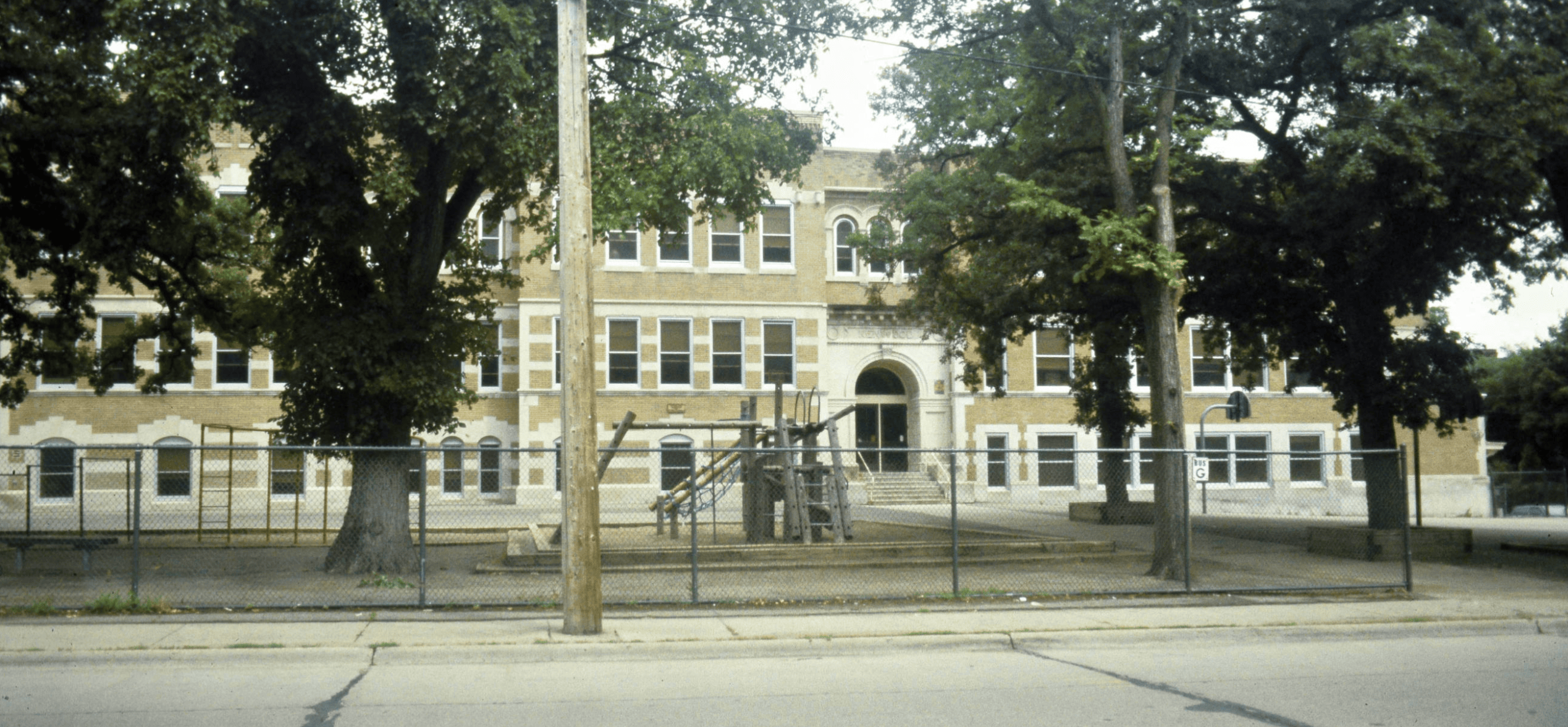
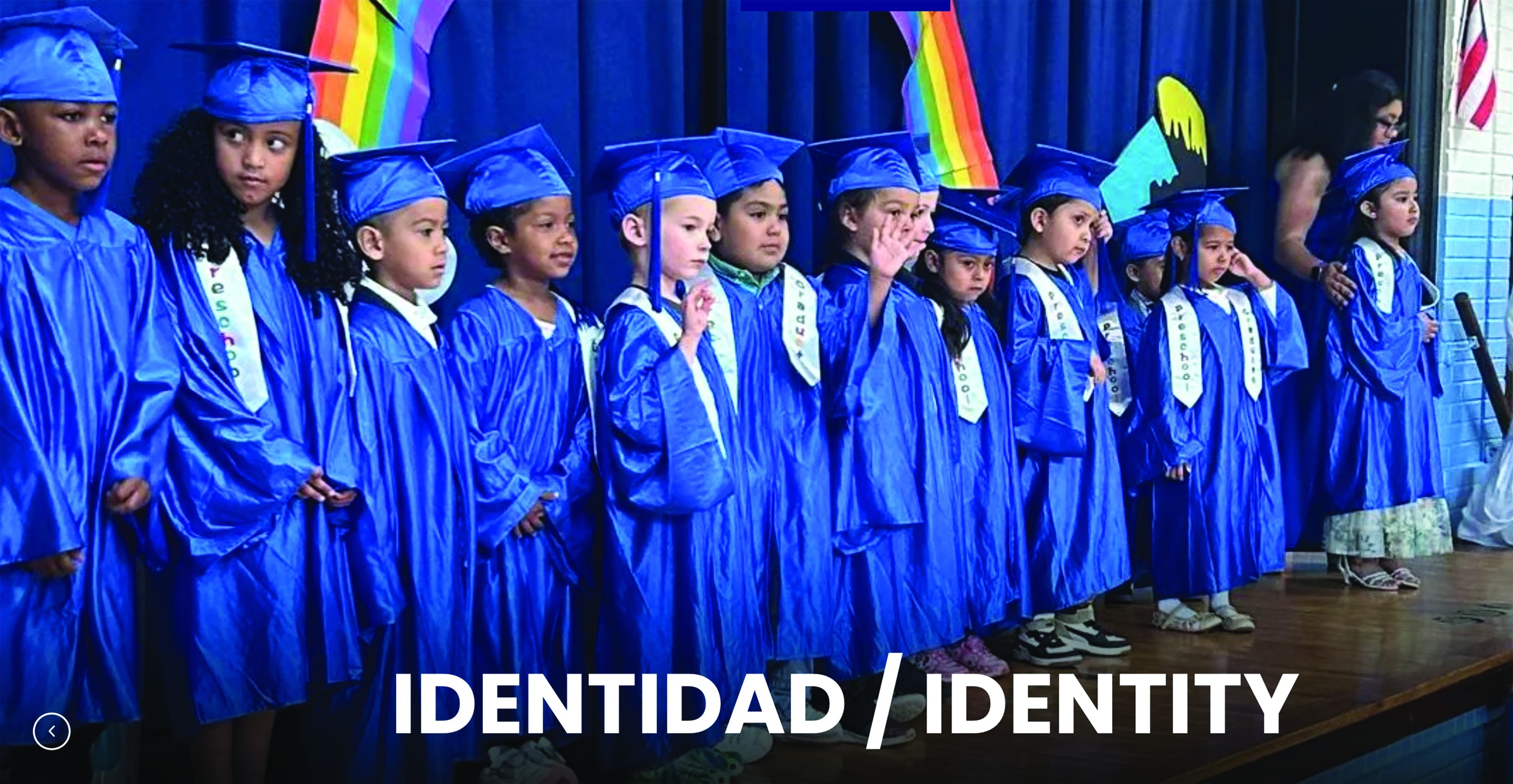
Emerson Dual Language School in Loring Park offers one clear example. A dual language school teaches academic content in two languages, in this case English and Spanish, with the goal of developing bilingualism, biliteracy and cross-cultural understanding.
Native English speakers and native Spanish speakers learn together, treating language as a “superpower” rather than a barrier. In fact, Emerson is the most “highly efficient” (i.e. overenrolled) MPS school at 100% capacity according to mpschools.org.
As a parent at Emerson and a Kenwood neighbor who lives just a mile away, I have spent the last four years seeing firsthand how profoundly community partnerships shape a public school.
Emerson, like many Minneapolis public schools, has endured historic budget cuts. Interventionists, support staff and program positions have disappeared while student needs have grown.
Many Emerson families also work multiple jobs or have schedules that make in-school volunteering difficult, especially now.
Even so, Emerson thrives not because it has more but because neighbors and community partners choose to show up.
I served as board president of one such partner, Colectiva Bilingüe, the Bilingual Education Collective. Colectiva connects all five Spanish dual language schools in Minneapolis and pushes families to think beyond individual classrooms toward collective improvement.
It coordinates grant writing, supports diverse parent leaders and works to ensure resources are shared equitably, not captured by the loudest or wealthiest schools.
That work shows up in tangible ways. Phyllis, who lives in a nearby apartment building, began volunteering in the school library. With a small City of Minneapolis Partnership Engagement Fund stipend, she launched a breakfast recycling system that is now part of daily school life and persuaded the city to install two new trash cans on 15th Street. She also created a Reading Buddies program and signup system that allowed us to attract neighbors, not just parents.
Charlie, another neighbor, started as a Reading Buddy and returned this year to support the same students in third grade. He watered the school garden all summer and now helps manage traffic during Emerson’s hectic arrival and dismissal periods. Like Phyllis, his presence has become part of the school’s fabric.
These are not small contributions. They shape whether hallways feel calm or chaotic, whether a child is noticed that day, whether a garden survives the summer and whether families feel safe sending their children to school during periods of heightened ICE activity.
“Community partnerships are not just helpful. They are essential.”
Community partnerships are not just helpful. They are essential.
While Emerson has benefited from a growing network of volunteers and advocates, many Minneapolis public schools have not. They still need consistent community support to form the safety net all children deserve.
For Kenwood and Loring Park neighbors, that might be as simple as crossing Hennepin, walking through Emerson’s doors and asking how you can help.
If you have ever wondered how to support a public school, whether it is the one down the block or one with fewer resources across the city, here are three easy places to start.