Susan Lenfestey is a cofounder of the Hill & Lake Press. She lives in Lowry Hill.
By the time you receive this paper, we will have turned the tattered pages of 2025 and done our best to sprinkle the pages of 2026 with hope.
And speaking of tattered pages, in 2026 the Hill & Lake Press will turn 50.
Here is how it began. In 1974, we moved to Minneapolis, leaving an “intentional” farm community in western Massachusetts for the preferred unintentional community of a city neighborhood.
A few years later, I joined what was then called the Lowry Hill Homeowners Association. After suggesting a name change to include all residents, I proposed publishing a newsletter and noted that my clever husband, Jim, had the chops to make it happen. The board agreed and even provided some funding.
Around the same time, the East Isles Residents Association had a similar idea. With Win Rockwell as editor, they published one issue of what was called the EIRA News in 1976. Jim called Win and suggested collaborating under the name Hill (Lowry) & Lake (Isles) Press. The next issue carried that name. And so it began.
After a few more issues, the Kenwood Neighborhood Association wanted in. Shortly after that, Cedar-Isles-Dean joined as well. Each neighborhood helped with funding and recruited an editor.
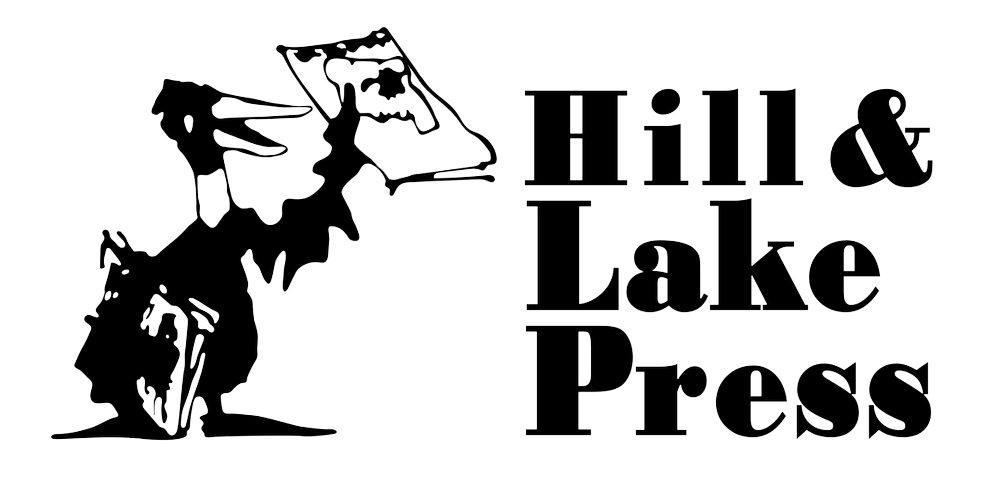
Bylaws? A board of directors? We were just kids, in love with our city, our neighborhood and sometimes each other. We wanted to build community and cover local issues that the “biggies,” the Star and the Tribune, did not. Yes, there were two daily papers at the time. Hence the slogan under our logo, Where the Biggies Leave Off.
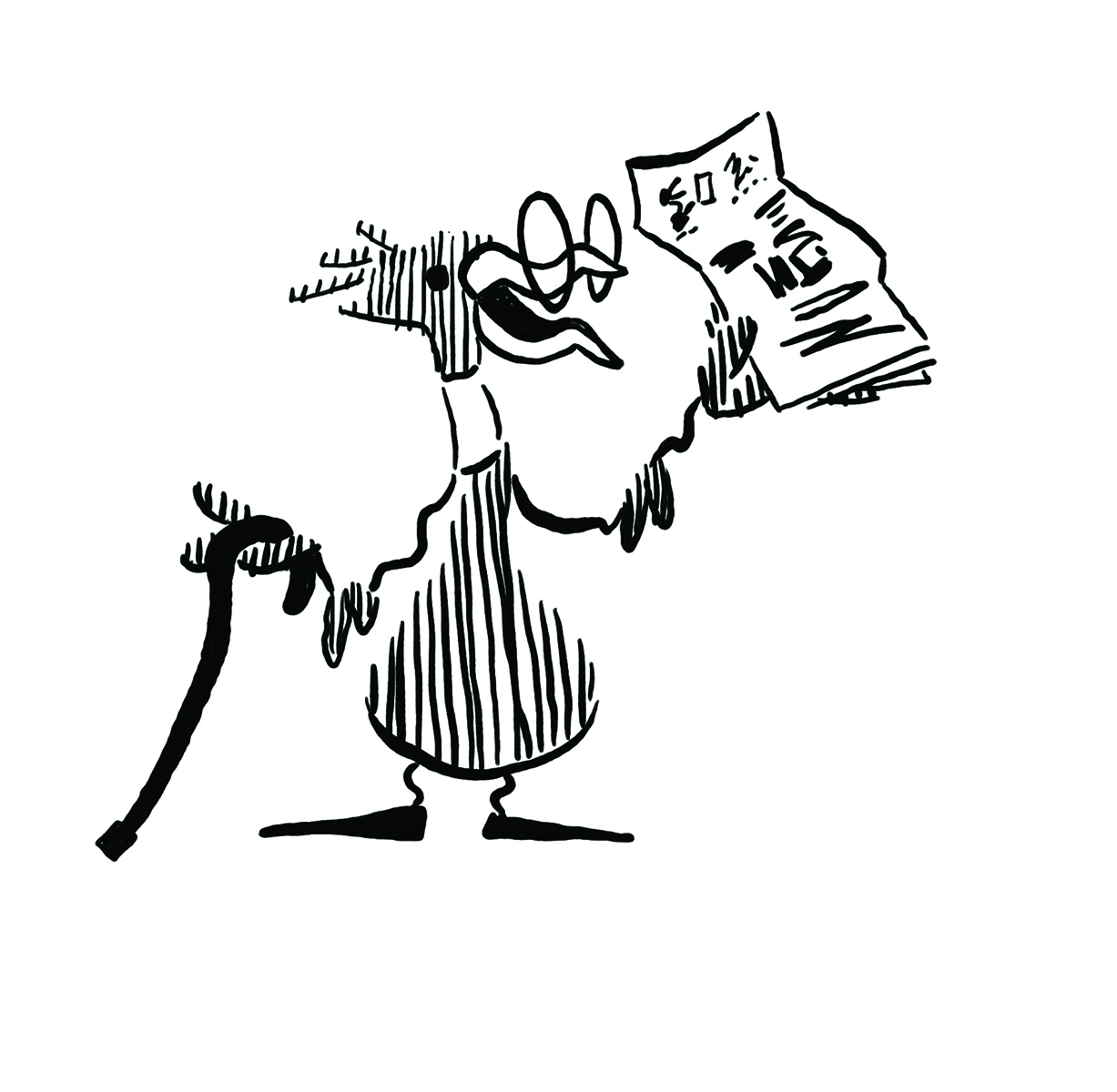
And the logo. Is it a goose? A duck? No one knows for sure. Roger Boehm, a freelance artist, was our illustrator. He showed up at layout sessions to enliven the pages with quirky, free-range critters and designs. Roger now lives in Northfield and graciously agreed to update our mystery fowl for this issue.
Did I mention free? We all worked for free. Writing, production and distribution were done by volunteers. Our only expenses were supplies such as rubber cement, graph paper, press type and printing. Printing required the editor to drive the pasted flats to a print shop in Shakopee. Children, this was before the electronic age.
Editors rotated responsibility for each issue, month by month. Being editor meant planning articles, lining up writers, photographers and illustrators, editing typewritten submissions, handing them off to an ace typist and hosting layout sessions.
At layout, a dozen or so people gathered in editors’ homes to cut out typed columns and paste them onto large cardboard flats, then create colorful headlines by pressing letters onto graph paper, one by one. We sustained ourselves with adult beverages, sharpened our humor and built bonds in the process. In many ways, the process mattered as much as the product.
We paid our minimal expenses by selling ads. Because we covered the Lakes area and social media did not exist, advertisers lined up. At one point, there was a waiting list to advertise in the Hill & Lake Press. We were flush.
That led to the question of how to spend our money. Did I mention we were very young? We threw a party. There were prizes, skits, food, drinks and dancing. Word spread, with wildly exaggerated stories, and soon more people signed up to help with the paper. We threw more parties. It was a lark.
After a decade or so, our founding crew grew older, and other demands took hold. New editors, writers and illustrators stepped in to carry the torch. Layout sessions moved to the new Kenwood Rec Center, a practical shift that also changed the party vibe.
Some writers continued, including the clever husband, also known as the Urban Coyote. As technology arrived, what had been a group effort gradually became a solo one. Articles were emailed. Layout happened on a computer screen. We lost the glue, in every sense.
Other changes followed. At one time, there were roughly 30 neighborhood papers like ours. As people turned to online news, print faded. What kept the Hill & Lake Press afloat for the last two decades was the dogged devotion of editor Jean Deatrick and a small group of friends who continued to send her stories, like Craig Wilson who founded the Meet Your Neighbor column in 2008.
Four years ago this February, Craig asked Jean if he could lend a hand. She told him he should be the editor, as she was tired. Jean died less than a year later. Craig created a board of directors to put the paper on firm legal footing, taught himself layout software, learned AP style, thanks to pros like Kathy Low and Jill Field, and assembled a crew of worker bees to reinvigorate it. And here we are nearly 50 issues later on our 50th anniversay.
What began as a black-and-white 16-page paper now averages 24-28 full-color pages. Instead of relying on volunteers to toss papers onto doorsteps and into bushes, we now mail the paper to over 16,000 households, finally reaching neighbors in apartments. We still rely on advertisers and donors like you. We are not flush, but we are overdue for a party for the community to celebrate, so stay tuned.
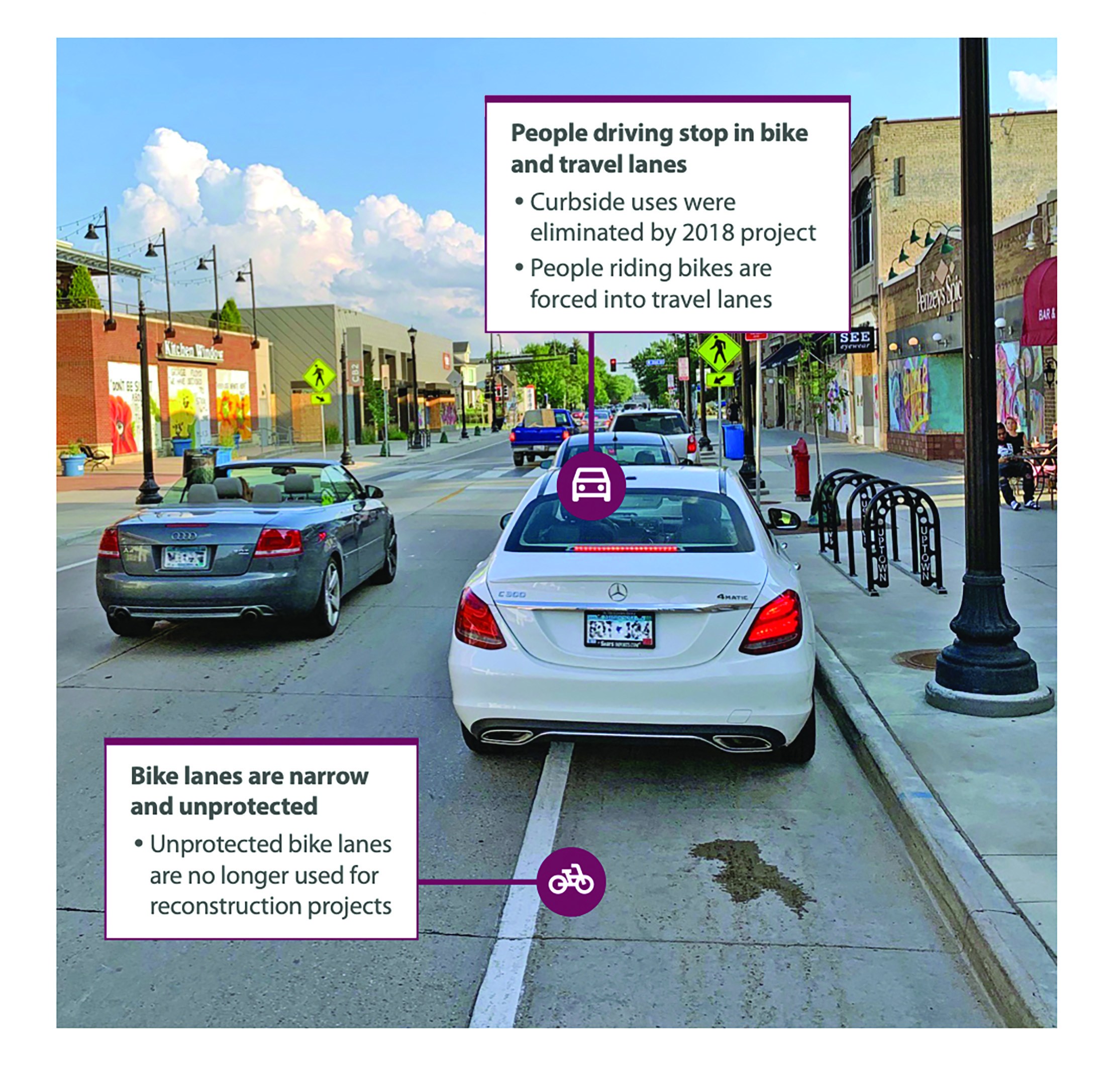
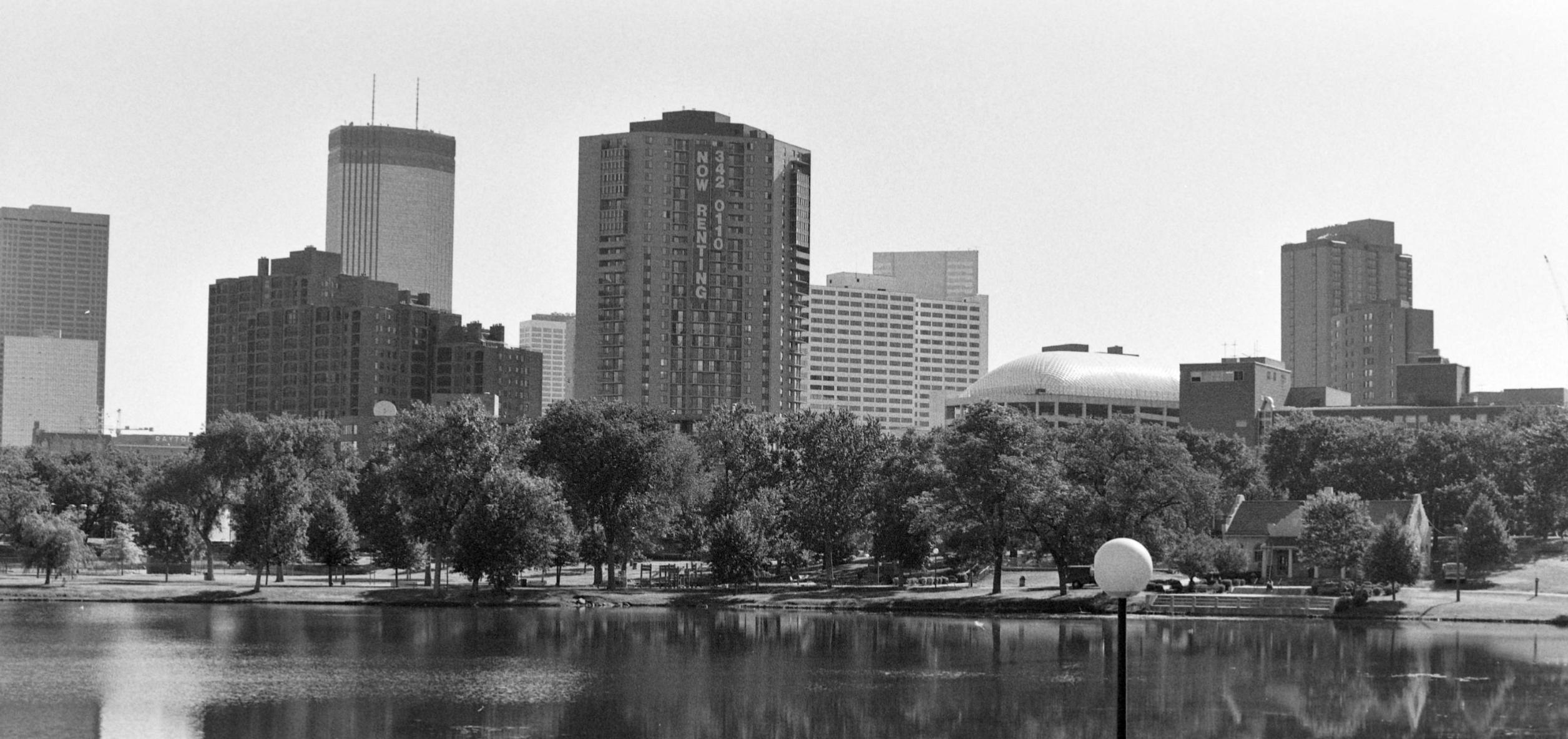
Looking back at early editions, it is striking how some themes persist: developing Uptown, rerouting traffic, protecting parks, though the tone has changed. We were a more unified city and our discourse was less intense. When we wrote about ice, we meant the skating rink. Today, we face challenges we never imagined.
Technology has reduced the community it takes to put out a print newspaper, but it has expanded the community we try to connect.
We may have lost some of the bonhomie of the glue-pot days, but we have double downed on our commitment to covering local issues and their impact on this place we call home. And we — well, some of us — look forward to doing that for another 50 years.