

The city isn’t the only unit of government in Minneapolis facing difficult budget choices. On Sept. 15, Minneapolis Public Schools presented its long-anticipated School Transformation Plan.
“Whatever the good intentions behind the CDD, a plan that families don’t buy into can’t deliver on its promises.”
The district enrolls fewer than 30,000 students but has facilities to accommodate 43,000. More than half of its schools are less than 70% full. With much of the district’s funding tied to enrollment, maintaining so many underutilized buildings takes resources away from serving students and places financial strain on the district.
Lessons From the Last Redesign
Across Ward 7, I continue to hear frustration about the district’s last major reform effort: the Comprehensive District Design, or CDD. It redrew attendance boundaries over teacher and parent objections and helped create the very problems we are now trying to solve.
Families living north of 36th Street, south of I-394 and west of Hennepin Avenue were reassigned from Southwest High School to North High School in an effort to better integrate schools long divided by race and geography.
Families voted with their feet. Many chose other districts, charter schools or private schools, and many Ward 7 families lost neighborhood cohesion. Some left Minneapolis altogether. Whatever the good intentions behind the CDD, a plan that families don’t buy into can’t deliver on its promises.
The district’s enrollment data paints an ugly picture. In most of the school attendance areas serving Ward 7, two-thirds or more of school-age children are not enrolled in MPS. That pattern holds on both sides of I-394.
Schools are central to why families choose to move to, invest in and stay in Minneapolis. When our public schools lose families’ confidence, the consequences reach far beyond the classroom. Our city can’t afford more well-intentioned bad choices.
“A plan that closes schools while preserving the boundary decisions that helped drive families away would only repeat a serious mistake.”
What the Options Mean for Ward 7
That’s why I was encouraged to see that Options 2 and 3 would largely restore the pre-CDD attendance boundaries for Ward 7 families who were affected by those changes.
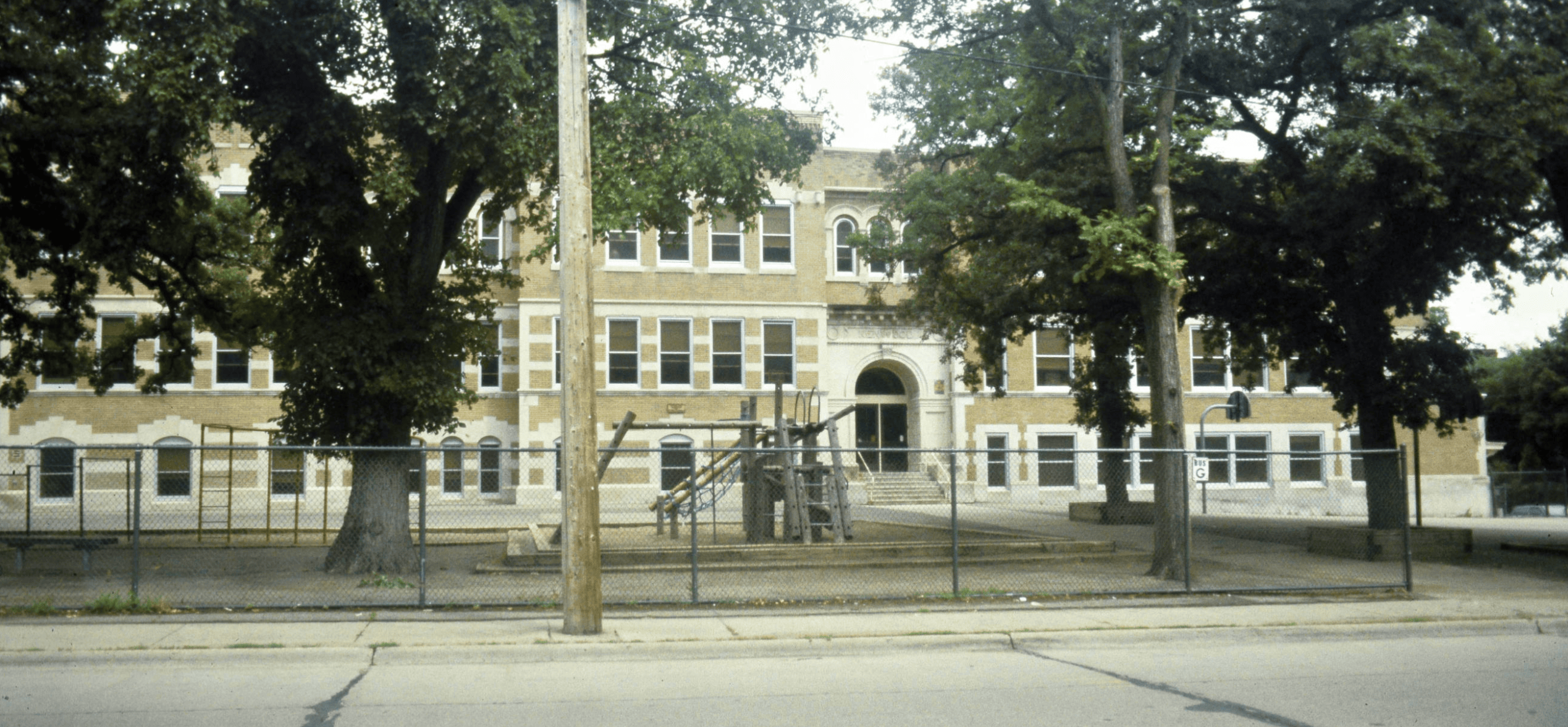
Students in the proposed Kenwood Elementary attendance area, including South Bryn Mawr and Stevens Square, would follow a pathway through Anthony Middle School to Southwest High School. Under Option 1, students assigned to Kenwood Elementary would instead attend Franklin Middle School and North High School.
Stevens Square families face a different outcome under Option 1: Students would switch from Kenwood Elementary to Whittier Elementary, then attend Anderson Middle School and South High School. Under Options 2 and 3, they would be on the Kenwood Elementary, Anthony Middle School and Southwest High School pathway.
For North Bryn Mawr families, all three options would lead from Bryn Mawr Elementary to Franklin Middle School and North High School.
Restoring the Southwest pathway is what I advocated for when I met with Superintendent Lisa Sayles-Adams and her staff in April. I am glad to see this direction reflected in two of the district’s three options.
Changes Under Every Option
Other proposed changes would apply under all three options. Emerson would remain a bilingual magnet school drawing students from across the district. FAIR High School downtown would merge into North High School. Wellstone, which currently operates at Minneapolis College and serves students ages 18 to 22 who are still developing their English proficiency, would move to South High School.
All three options also involve closing at least a dozen schools, including Anwatin Middle School in Bryn Mawr. That is a painful prospect for the families those schools serve, the staff who work there and the surrounding neighborhoods.
Anwatin families deserve clear answers about what comes next. Under the proposals, Anwatin students would attend either Franklin Middle School or Anthony Middle School, depending on where they live and which option the district adopts.
But doing nothing is not a viable path forward. Keeping buildings open while enrollment declines does not protect students from difficult choices. It leaves fewer resources to support their education.
The teachers’ union has already come out strongly against school closures, arguing that MPS can’t cut its way to growth. Its response did not address attendance boundaries. Those boundaries will be central to my assessment of any final plan. The district needs to control costs, but it also needs to give families a reason to choose MPS and stay.
A plan that closes schools while preserving the boundary decisions that helped drive families away would only repeat a serious mistake.
I support a final plan that includes the revised boundaries and pathways in Options 2 and 3.
Elizabeth Shaffer represents Ward 7 on the Minneapolis City Council. This column originally appeared in her ward newsletter.