
Change is coming to Hennepin Avenue. This 60-plus-year old street is in rough condition, and it’s time to rebuild for the future.
We are on the cusp of a more accessible, safe, sustainable and equitable Hennepin Avenue. Our champion legislators, Rep. Frank Hornstein and Sen. Scott Dibble, secured $40 million in State funds for the E-Line Bus Rapid Transit, a significantly upgraded bus line on Hennepin running between Southdale, South Minneapolis, downtown, and the University of Minnesota. The City secured $7.5 million in competitive federal funds for the reconstruction. This level of investment doesn’t come around often. Prudent financial stewardship dictates that we maximize our tax dollars on Hennepin and make sure we rebuild a street that serves us well for the next 60 years.
This project has been more than four years in the making. The City received over 10,000 public comments by the end of formal engagement in January, following postcard mailings, street signs, open houses, and over 80 community meetings. City staff have been thorough, diligent, and followed City policy in creating their design.
The result, in brief, is a design with wider sidewalks, bike lanes up on the curb, permanently dedicated bus lanes, and driving lanes with left-turn lanes at certain intersections.
The staff recommended design is popular! A Southwest Connector poll showed 77% of respondents in favor (about 1,000 responses at the time of this publication).
We’ve talked with hundreds of people on Hennepin and at doors in the five nearby neighborhoods. An overwhelming majority support the design and nearly 12,000 of them have emailed the City this spring to that effect. Every Minnesota House and Senate member from Minneapolis supports the design.
What are all these people excited about? Safety, accessibility, equity, and the climate.
Right now, Hennepin Avenue is on the City’s high-injury network. While talking with neighbors, we heard stories of car crashes, drag racing, near misses while crossing the street, and of mirrors knocked off parked cars. The proposed design shrinks crossing distances, includes a raised median, which discourages high speeds, and calms traffic with two new traffic signals.
People are excited about improved access. Neighbors want better options to walk, roll and take transit to get to restaurants, shops, schools, and jobs along Hennepin. This was even more prominent for those in the nearly one-in-six households in the Wedge and 1 in 8 in Lowry Hill who don’t have a vehicle according to Minnesota Compass, an online statistical resource led by Wilder Research. Same for those who own a vehicle but enjoy the idea of driving less.
Drivers are thrilled with the left turn lanes. Anyone who has traveled on Lyndale Avenue south of 31st Street knows how smooth vehicle traffic flows when there is space for left turns. Although drivers have concerns about parking around Hennepin, those worries lessen when they learn that the City of Minneapolis commissioned a parking study, which showed that of the 3600 spots along the corridor, no more than 2600 are used at any one time. Given that only around 300 are slated for removal, a buffer of 700 spots remains.
Equity and sustainability advocates are heartened to see a more balanced use of public right of way. Whether you’re a choice transit rider who commutes downtown or an undocumented immigrant who can’t get a driver’s license, everyone deserves fast and reliable transportation. The 24/7 dedicated bus lanes ensure buses are not caught in traffic or behind parked cars.
Why will this design succeed?
First, high excitement for the design is a good sign. Second, studies in winter cities ranging from Minneapolis (National Street Improvement Study) to Toronto (Centre for Active Transportation) show that increasing transit and biking indeed brings greater access and results in net neutral or improved economic activity. Third, development enthusiasm has been building since the final layout design became public, with the recent announcements of the redevelopment of the Uptown Theater into a 2,500-person music venue and of Seven Points.
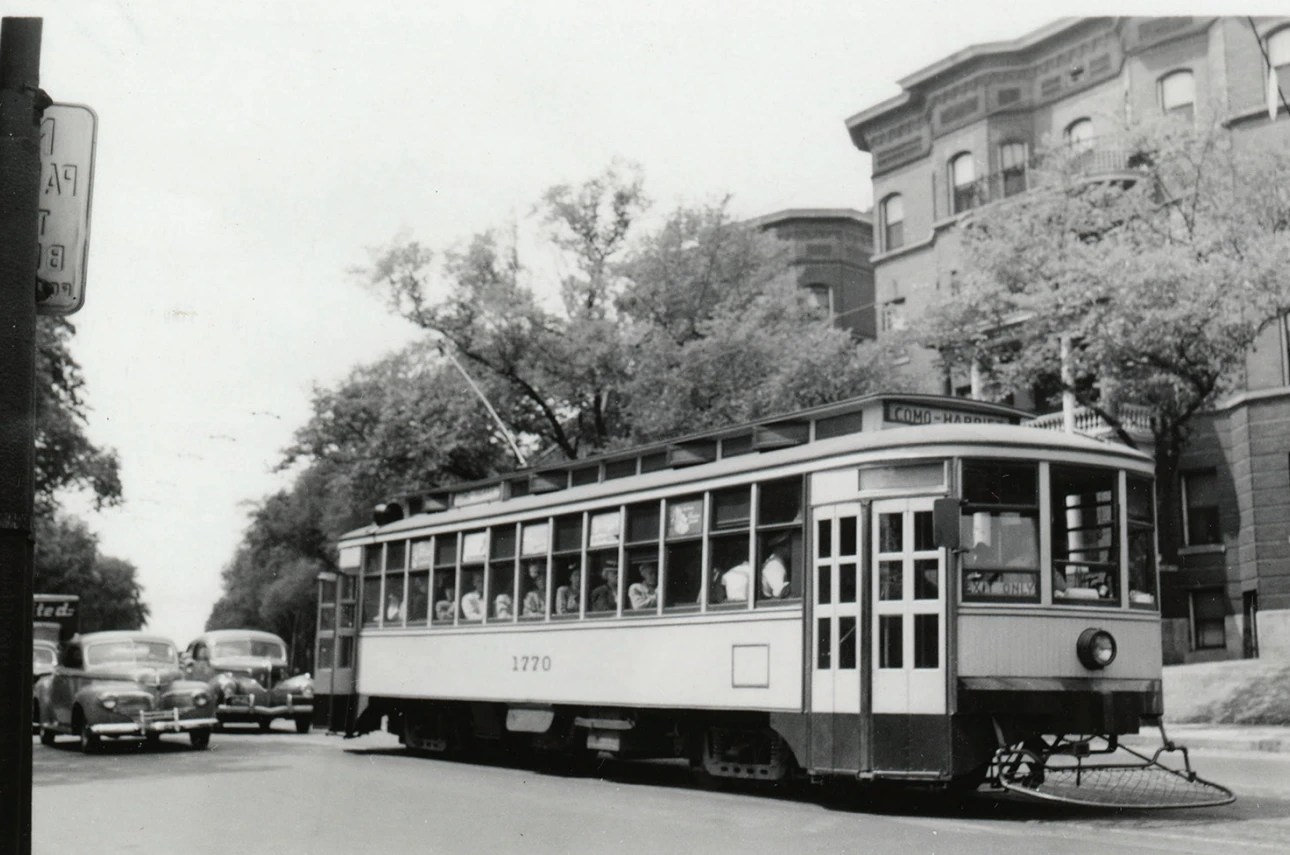
Cities are ever changing. People used to ride horses to Abdallah’s Candy Store at Lake and Hennepin. Now, they want the option to bike and scooter to Namaste Café, take a fast bus downtown, and have a safer pedestrian crossing on their way to Frattallone’s. We all want a street that serves people. The proposed design recognizes our diverse needs and makes a wise investment in our multimodal future.