
Have you noticed that Hennepin Avenue is host to a number of new businesses?
Say what?!
That’s right. While the Hennepin Avenue commercial corridor has seen mainly the loss of big-box retailers and local restaurants — most recently The Lowry and Cardamom in Lowry Hill — a new industry has planted itself in Uptown: cannabis dispensaries.
Minnesota officially legalized recreational cannabis in 2023, with the first state-licensed recreational dispensaries opening in 2025. In early April 2026, WCCO reported that “since September [2025] — the month when the Office of Cannabis Management issued the first licenses for retailers — sales have exceeded $50 million in total for recreational cannabis. … In 2025, sales topped $210 million for both adult-use marijuana and hemp-derived THC products, which have been around much longer. That means $27 million in new state tax revenue. … More is likely to come as the legal market continues to ramp up.”
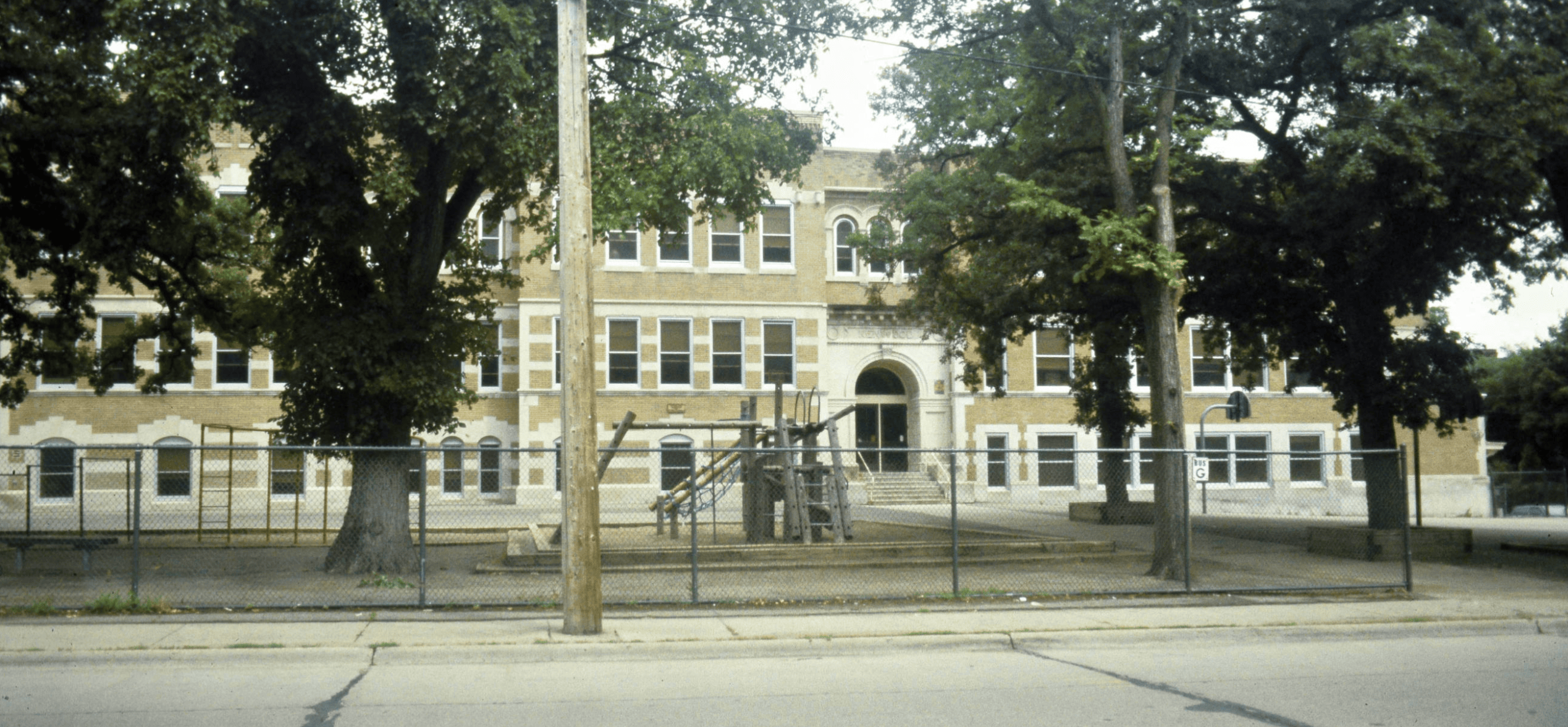
Minneapolis set its own rules for where cannabis businesses can open in a 12-1 City Council vote in October 2024. Dispensaries must be at least 300 feet from K-12 schools and from one another, except in downtown zones, and at least 1,000 feet from pawnshops, alternative financial establishments and missions. They must also sit within a contiguous commercial or industrial area of at least three acres. Under state law, Minneapolis is required to allow at least 36 dispensaries citywide — or one for every 12,500 residents.
Now that it’s legal in nearly half the states and the District of Columbia, it’s common and sometimes unavoidable to catch a waft of the earthy scent of someone enjoying weed on the sidewalk or in the next lane. Even more common are the new retailers selling cannabis products.
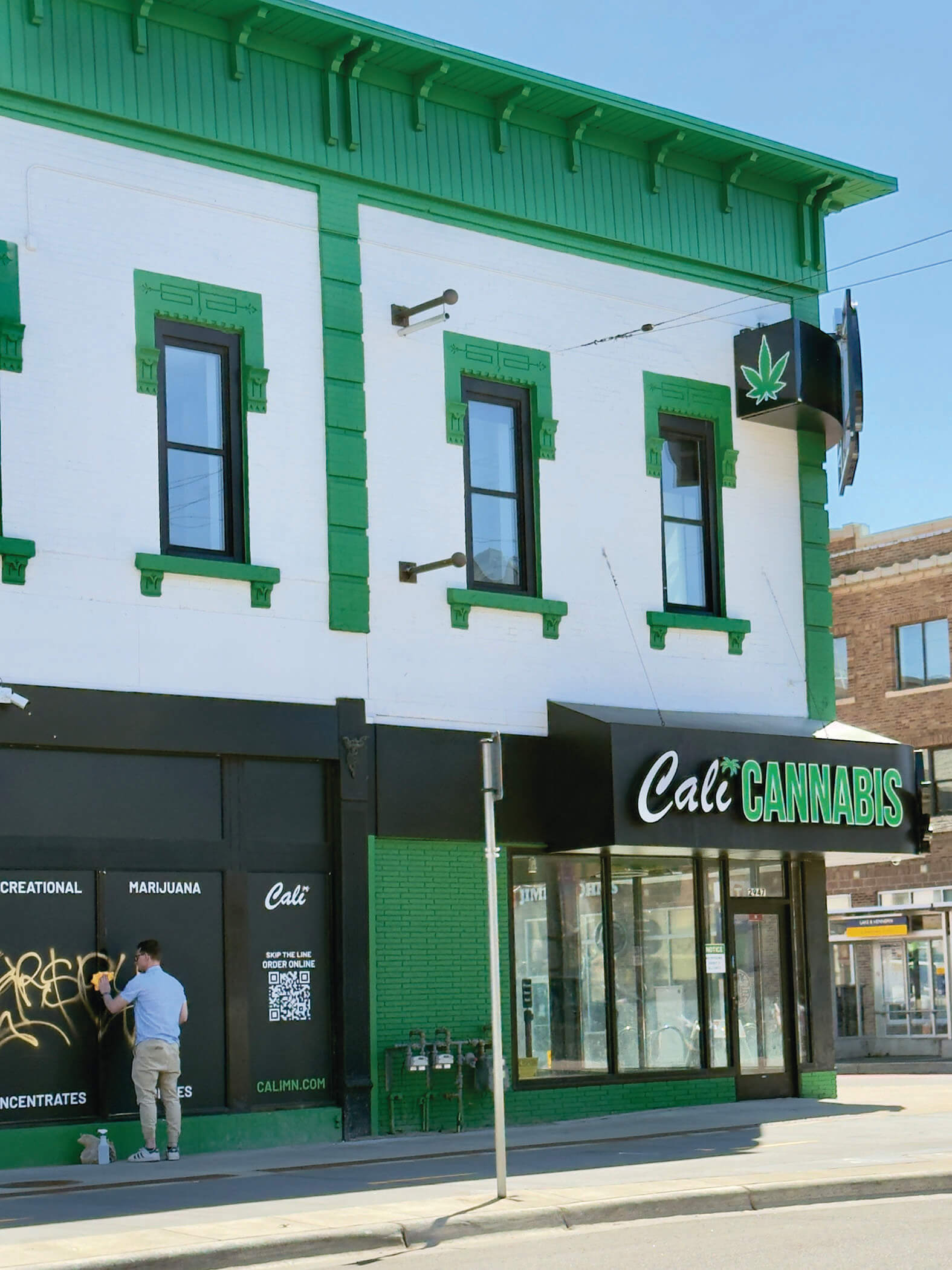
There are now at least five open or soon-to-open cannabis dispensaries along or just off Hennepin Avenue between West 27th Street and West Lake Street.
With many in a concentrated area, it’s natural to wonder how they will compete, whether there is really that much demand in Uptown to make this many viable, or whether different dispensaries’ offerings, like different cuisines in restaurants, make close proximity a nonissue.
Josh Bruns, owner of Unanimous Cannabis on Hennepin Avenue, also serves as legal advisor to others in the industry. I happened to catch him on April 20, otherwise known as 420, and he graciously took time to unpack these wonderings on this very busy day for his store.
Bruns said, “In Minneapolis, they’re required to have 36, but we’re not going to have 36. So, there’s not too many dispensaries. However, yes, they are close together. As a business owner, obviously it’s not ideal, but at the same time, there’s like a shoe shop effect, right? So, people will come to this area because there’s going to be a lot of competition, so prices will be a lot lower. We think.”
“A new industry has planted itself in Uptown: cannabis dispensaries.”
As far as differences in cannabis dispensaries, Bruns noted, “They’ll try to advertise that they offer different things, yes, but it’s their access to the cultivators and so there’ll be different products in the market as we compete for access to products from cultivators. But as the market matures, everybody will gain access to all of the products. So, no, I don’t think there’s a big difference.”
As to what sets his dispensary apart, Bruns said, “Unanimous is community-owned, hence the name. I was able to hang a lot of local [art], so this is also kind of an art gallery… And one thing that we are good at here is value.”
Another source familiar with the licensing process said that not all of those storefronts will actually open. “A lot of these companies have come in in the hopes of getting licensed, but they secure storefronts in areas where they want to make sure that they have the business,” the source said. “In some areas, they don’t all get the license. Then they just don’t finish executing the lease. They never open.”
Minneapolis stands to see revenue from local sales tax as well as a 20% allocation to local governments from the state cannabis tax. While the city will happily accept the funds, it remains to be seen what additional regulations it will place on dispensaries.
Neighbors are asking what the concentration of dispensaries says about broader consumer trends in the area. Since 2022, the east side of Uptown and the Hennepin Avenue corridor has seen the loss of multiple personal care and wellness businesses, including hair salons like Sudz and JUUT Salonspa and health clubs like the YWCA, LA Fitness, CorePower Yoga and Orange Theory Fitness.
In May 2024, the City Council amended the ordinance regarding tobacco dealers, setting a minimum price of $15 per pack of cigarettes sold within the city limits, on the premise that it would protect people, notably youth, from the harms of tobacco use.
The former Orange Theory and JUUT spaces are both slated to become cannabis dispensaries. If the City Council amended the tobacco ordinance because of health concerns, will it do the same for cannabis dispensaries, whose health claims sit alongside claims of addiction and short- and long-term harm risks?
Answers to these questions and more will play out as Minneapolis and the rest of the state join other cities and states that have permitted cannabis sales and use. So far, Bruns said, “The City Council chose not to restrict businesses,” whereas in Isanti County, “my cultivation endorsement was stopped by the municipality because of too strict of rules.”
Quinton Courts writes for the Hill & Lake Press. He lives in East Isles.