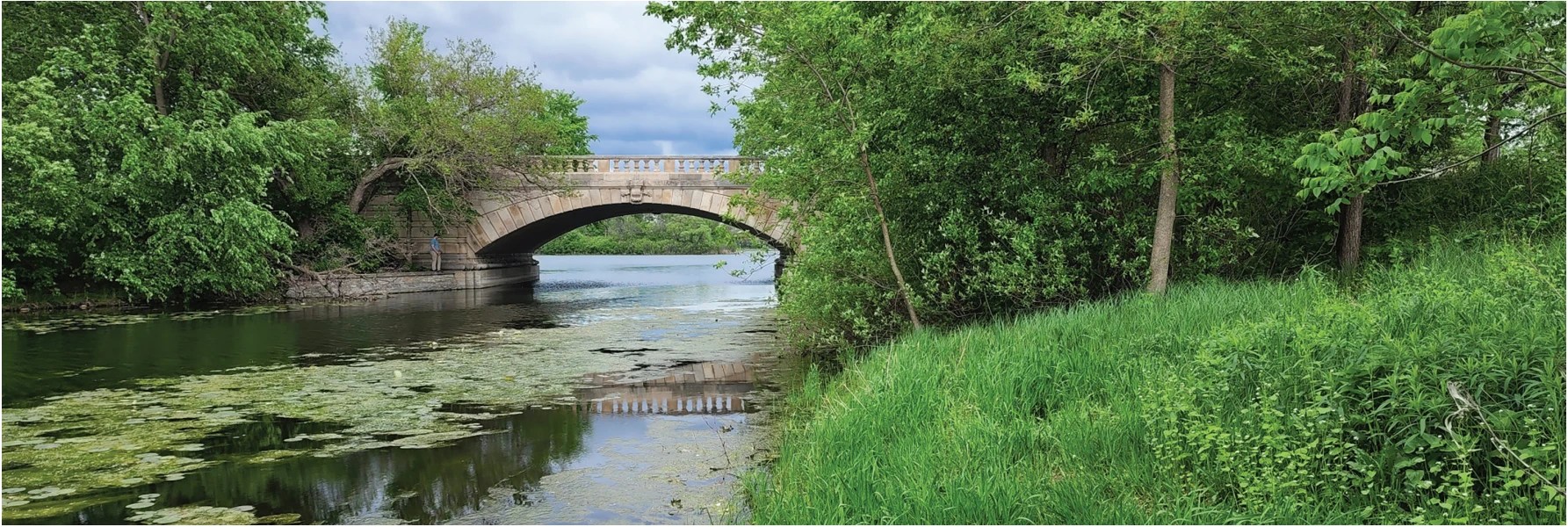
A recent email bulletin from the Minneapolis Park & Recreation Board announced the “planning process for the Cedar-Isles master plan has moved into a new phase. Community engagement will pause while the design team works on writing a full draft plan document based on CAC recommendations, public feedback and input from MPRB staff and stakeholder organizations.”
After a lengthy and intense period of engagement that included meetings (most via Zoom), open houses, on-site tours and focus area gatherings, subcommittees and working groups, surveys and votes, this pause seems a good time to distill public input and consider possible implications—not only for this master plan but for our park system as a whole. Since MPRB’s conversations with “stakeholder organizations” are not public, the following observations refer to input from the general public and notably the Cedar-Isles-Kenwood community.
MPRB Mission: “The Minneapolis Park and Recreation Board permanently preserves, protects, maintains, improves, and enhances its natural resources, parkland, and recreational opportunities for current and future generations of our region including people, plants, and wildlife. The Minneapolis Park and Recreation Board dismantles historic inequities in the provision of park and recreation opportunities for all people to gather, celebrate, contemplate, and engage in activities that promote health, wellbeing, community, and the environment.”
Value and Maintain Our Assets: One consistent message sent by most people who participated in this master planning process is that the Park Board can and must take better care of what we have. This theme emerged early in the planning process and was echoed by many constituents who want the Park Board to become a better custodian of existing built amenities, including picnic tables, boardwalks, docks, historical houses, bandshells and trails, to name only a few. General and chronic dissatisfaction among many people about the lack of maintenance translated into hesitation about—and even opposition to—building new amenities at the two lakes. Even if maintenance funding from the Met Council or state government is lacking or inadequate, people still expect the Park Board to find ways and funds to prioritize the care and repair of existing assets rather than continue to build more amenities that increase the maintenance burden.
The master planning process also revealed many people’s larger concerns about the Park Board’s stewardship of our natural resources, including parklands, water bodies, shorelands and natural areas (which comprise 41.5% of our park system). As the only governmental unit with a core mission to protect and enhance natural resources in the city, that responsibility falls squarely on the Minneapolis Park & Recreation Board. A relatively small number of acres of our natural areas are actively managed, and many are degraded by invasive species, which the Park Board relies primarily on volunteers to remove.
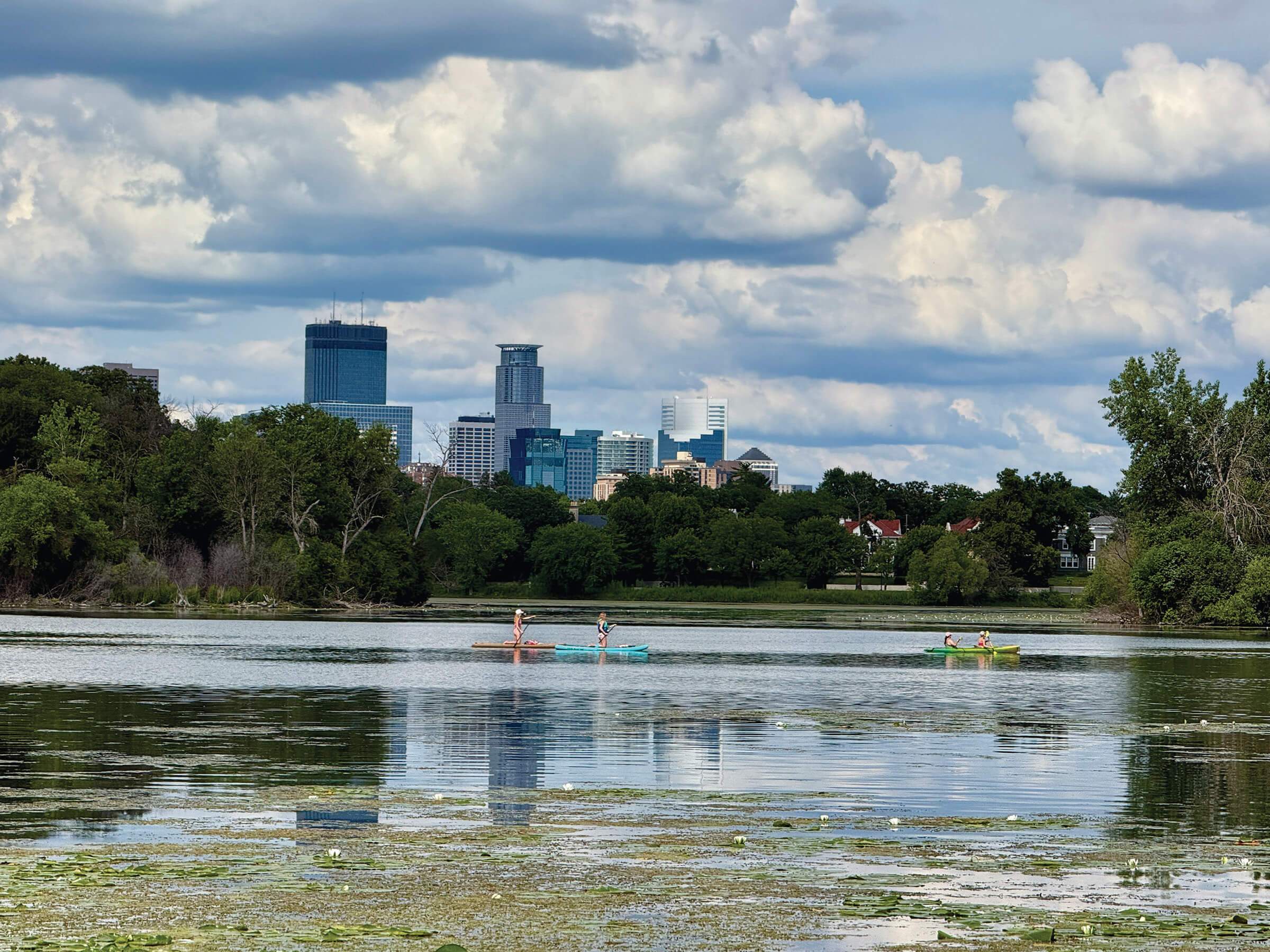
As facts surfaced about declining water quality at both Lake of the Isles and Cedar Lake, members of the CAC voted unanimously to make water quality the highest priority of the master plan. A subcommittee formed to focus on this issue subsequently produced a set of recommendations for improved water quality that the CAC unanimously approved at its final meeting. One recommendation urged the Park Board to take on a leadership role among the other organizations that address this vital and essential need to improve and protect water quality.
It was evident during the planning process that many people believe that the lakes, trees, views, wildlife and other natural resources in the Cedar-Isles “project area” are assets more valuable than built amenities, and are in immediate need of protection and preservation. Park Board projects and planning have historically over looked the value of these resources and favored construction of built amenities over conservation. For example, the Park Board does not factor the value of trees lost to development when calculating project costs. Forestry staff arborists are not routinely consulted on all matters involving trees and our canopy. And rather than mandated, tree preservation is usually encouraged “when possible” even if healthy mature native canopy trees will be sacrificed for recreational amenities.
Focus on Ecology: Cedar Lake and Lake of the Isles are part of the Chain of Lakes Regional Park. Drawing visitors from across the metro area, regional parks are the regional equivalent of state parks and exist to preserve parkland and open space that protects valuable natural resources. The Park Board is charged with preserving these resources, which provide critical habitat for pollinators, birds and other wildlife and help mitigate the impacts of climate change, while providing nature-based opportunities for recreation and education.
The CAC’s vision for the Cedar-Isles master plan reflects a focus on ecology. This vision is especially relevant and appropriate as biodiversity declines and ecosystems are increasingly threatened and even collapsing worldwide due to climate change, habitat loss, and invasive species. In fact, the Park Board can only achieve its mission and build climate resilience by prioritizing environmental protection and preservation of our natural areas in response to these crises.
Cedar-Isles Master Plan Vision: Lake of the Isles and Cedar Lake, as part of the Minneapolis Chain of Lakes Regional Park, contribute to a vital, urban natural ecosystem with unique experiences that protect, connect, and sustain people, wildlife, and natural resources, while maintaining the health of the lakes.
The numerous environmental challenges and opportunities identified during community engagement for the Cedar-Isles master plan underscore the imperative to expand the Park Board’s capacity with ecologists, botanists, hydrologists, and conservation biologists who can inform policies and practices related to how humans interact with and affect the natural world that all animals (including humans) depend on for survival.
The objective to build staff capacity is one of many proposed by the Cedar Lake Park Working Group in their Cedar Lake Park Natural Resources Management Recommendations, compiled as input to the Cedar-Isles Master Plan. Most members of this working group are volunteer stewards at Cedar Lake, including long-term volunteers from the Cedar Lake Park Association. The working group’s primary goal is for the Park Board to “manage natural resources in and adjacent to Cedar Lake Park as an ecologically healthy landscape for people, plants and wildlife, by developing and implementing a detailed Natural Resource Management Plan (NRMP) for Cedar Lake Park.”
The Park Board’s recently-completed Natural Areas Plan outlines an ecosystem approach to land management to achieve greater native biodiversity, more wildlife, and fewer invasive species. Community input during the Cedar-Isles planning process encourages the Park Board to prioritize strategies in the Natural Areas Plan in order to as this plan states “implement land management based in sound ecological principles as well as to perpetuate intentional stewardship—guided by science-based data and ensured by adequate funding.”
Without healthy natural resources supporting functioning ecosystems, there can be no sustainable recreation in our park system. Yet the Park Board often finds itself caught up in people’s demands for more recreational amenities at the expense of ecology. For example, the question of allowing bikes in the East Cedar woods remains the most divisive issue of this master planning process. The CAC’s Circulation subcommittee, formed to reach consensus on circulation aspects of the master plan, ended its work without resolving this one issue among many that were negotiated to consensus, leaving it up to MPRB staff to decide the question in their draft master plan.
Educate the Public: Finally, the Cedar-Isles master planning process also revealed support for a stronger public education component of the Park Board’s work. For example, beyond circulation signage to direct park visitors to destinations within the system, the Park Board can educate residents about ways they can help protect water quality. People also need guidance on how to explore and enjoy regional parks, since many visitors don’t understand their impacts on the land, water, wildlife and other natural resources.
Educational opportunities also include helping humans reset our expectations and demands on our natural resources. Scientists have long agreed that addressing the current environmental crisis is possible only with wide-ranging changes in how society operates and how we view our relation to the natural world. Experts concur that humans have to recognize that we are all responsible for our profound impact on our planet and that we must become stewards—as a part of nature, rather than as one scientist described “behaving like children rampaging through a sweetshop.”
In the context of the current ecological crises of climate change and declining biodiversity, most people agree that the Park Board must prioritize the health of our environment while providing parks and recreation. Even though some visitors may continue to demand more recreational amenities and activities, people still expect and need the Park Board to stay true to its mission to permanently preserve, protect, maintain, improve, and enhance natural resources, parkland, and recreational opportunities for current and future generations.