
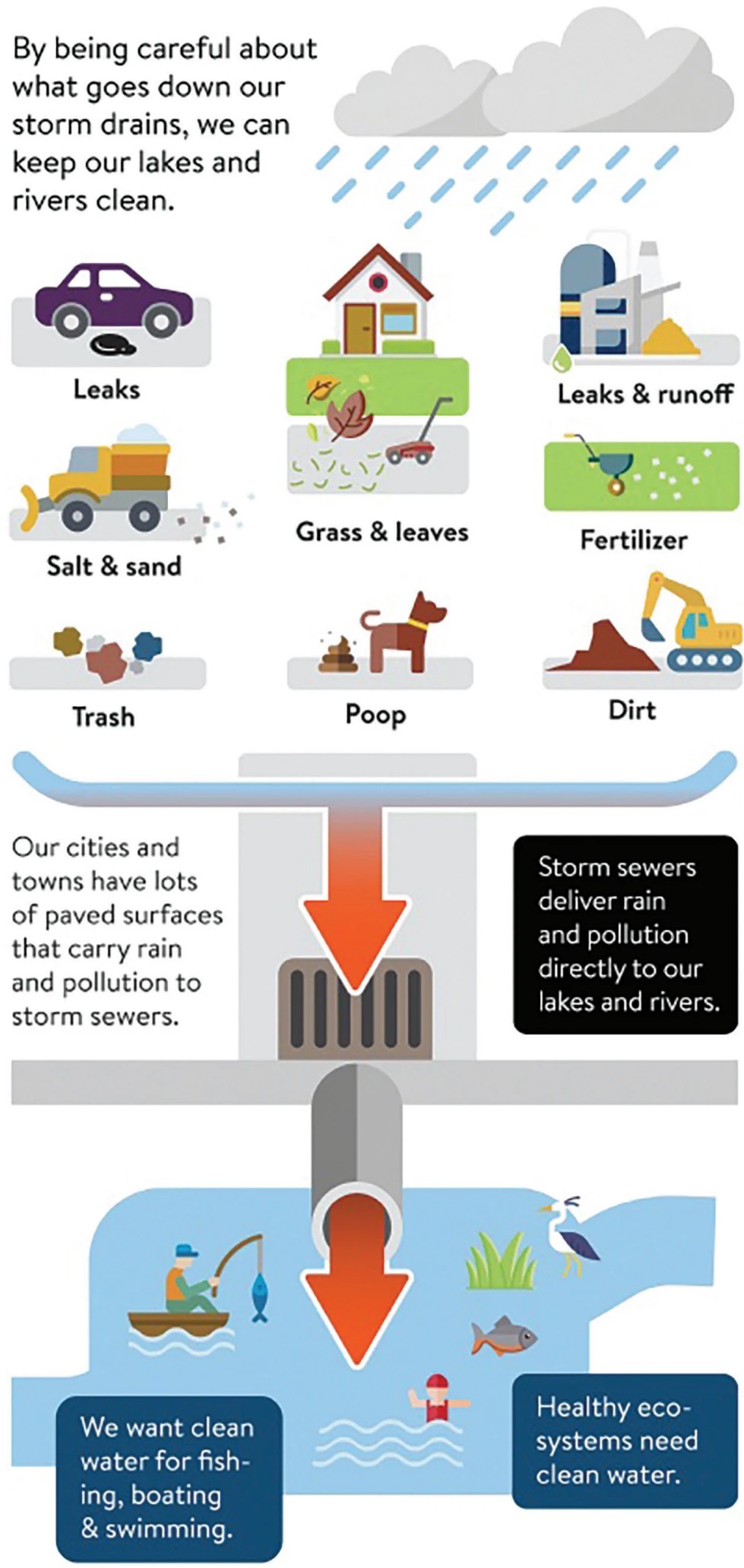
The goal of the park board is to invest in stormwater management to protect Minneapolis lakes and waterways and repave, restore and re-invest in parkways.
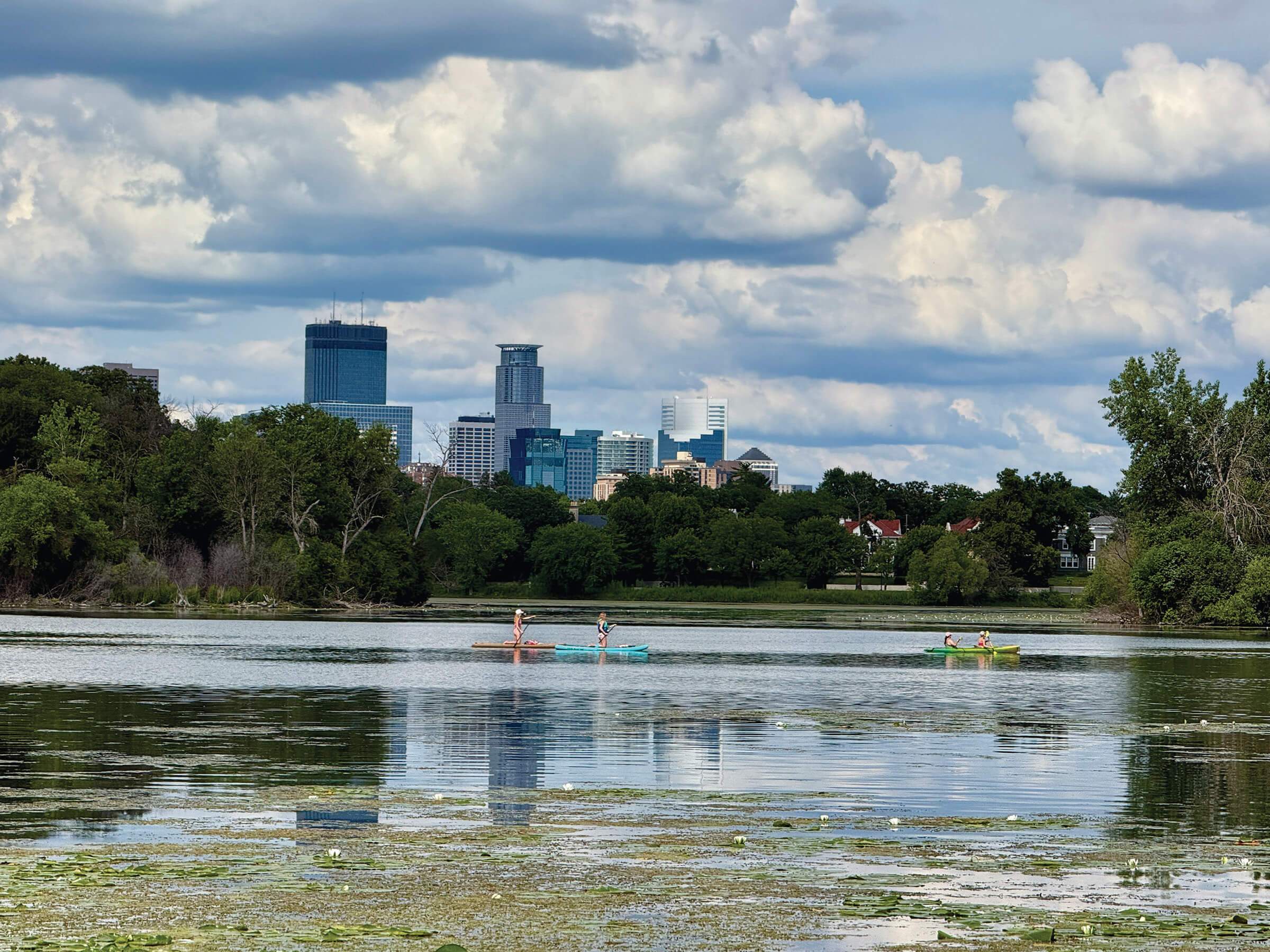
Minneapolis’s lakes and creeks, the Mississippi River and 55 miles of parkways are more than just pleasant features or a namesake for the City of Lakes — they are fundamental to our public quality of life. In recent years it’s become clear that the funding necessary for their stewardship and maintenance is not adequate. The lack is partly because the current funding levels are based on agreements between Minneapolis Park and Recreation Board and the City of Minneapolis that date back to 2000, for stormwater management, and 1999, for parkways.
After careful review and analysis of the funding, prior agreements and the state of our bodies of water and parkways, our current fellow commissioners have agreed to focus on working with the city to establish updated funding levels to sustain the long-term environmental health and safety of these assets. At a minimum that involves lake water quality suitable for recreation and for sustaining plants and wildlife, and parkway pavement in reasonably good condition for driving and cycling.
The city doesn't provide funding to the park board to maintain and operate stormwater infrastructure.
Under the terms of a shared federal stormwater permit, first granted in 2000, the park board is responsible for the city lakes and their shorelines, while the city manages the storm drain system that is not on park board owned parkland. For funding, the city collects stormwater utility fees, which in 2023 amount to about $45 million. While the city reimburses the park board about $700,000 annually for water quality monitoring and stormwater education activities, there is no dedicated funding for the park board to maintain and operate the aging stormwater infrastructure on parkland or to protect and improve the lake water and shorelines for which it’s responsible.
This has led to poor performance and pipe failures, flooded recreation fields and parkland, erosion, damage to paths and trails, and degradation of aquatic habitat. To address these issues now and into the future, the park board proposes a strategic program for parkland stormwater management and lake water quality, funded by a $2 increase to monthly stormwater utility fees (fees for an average single-family residential home are $14). Projections indicate this could yield $5 to $6 million annually to pay for adequate oversight of the parkland storm drain system, measures to control polluted urban stormwater runoff into the lakes and projects for recreational water quality improvements and shoreline and streambank stabilization.
Park board owned parkways are subject to an entirely different but equally critical fiscal gap.
In 1999, the city and park board agreed that to provide more efficient services, the city would be responsible for parkway renovation and maintenance. Annual funding for parkway paving has averaged $750,000 since then, which, due to inflation, currently repaves 0.35 to 0.6 parkway miles per year (depending on one- or two-way parkways). This funding is also used to upgrade curb ramps, exacerbating the shortfall.
The park board’s analysis shows that at these rates, it will take 100 years to address all 55 parkway miles and 12 years just for the segments currently rated “very poor” according to the city’s Pavement Condition Index (that is, 0-35 points out of 100). Meanwhile, today’s average parkway PCI rating of 70 will decline to zero in the coming 15 years.
To prevent the parkways from becoming largely impassable, MPRB proposes two 30-year funding scenarios.
The following scenarios exclude segments eligible for other funding as MN State Aid roadways, and the 1.5 parkway miles slated for reconstruction in the next 10-15 years:
- In one scenario, with funding sufficient to renovate two parkway miles annually, the average PCI rating still declines, but after 20 years it stabilizes at about 40: still in the “very poor” category.
- The other scenario stabilizes the PCI above 60 — “fair” — in about 15 years. It is based on a data-driven management program combining renovation with seal coating and includes curb replacement, ramp upgrades and catch basin repairs.
The Bottom Line
Because these requests need governmental support, MPRB’s Administration and Finance committee unanimously approved them on March 15. While the stormwater fee is a basic addition to water bills for property owners, the parkway funding will add to MPRB’s levy. In a citywide survey, 56% of respondents supported a property tax increase for parkways and 59% were in support of adding a stormwater fee to their water bill.
The City of Minneapolis is our partner. Our Board of Commissioners appreciates the support of residents in advancing its mission as an effective and responsible steward of Minneapolis lakes and parkways.