
I breathed a sigh of relief when the Trump administration’s border czar announced on Feb. 12 the end of Operation Metro Surge and the drawdown of ICE agents in Minneapolis.
But like many others, I understand that the visible and invisible damage to our community, and the tens of thousands directly impacted, will require many years and much effort to repair and heal.
Thousands of people, based on the color of their skin or immigration status, were and continue to be impacted by Operation Metro Surge. It may be over on paper, but it continues to haunt and affect Minneapolis families, workers, restaurants, businesses, hospitals and schools.
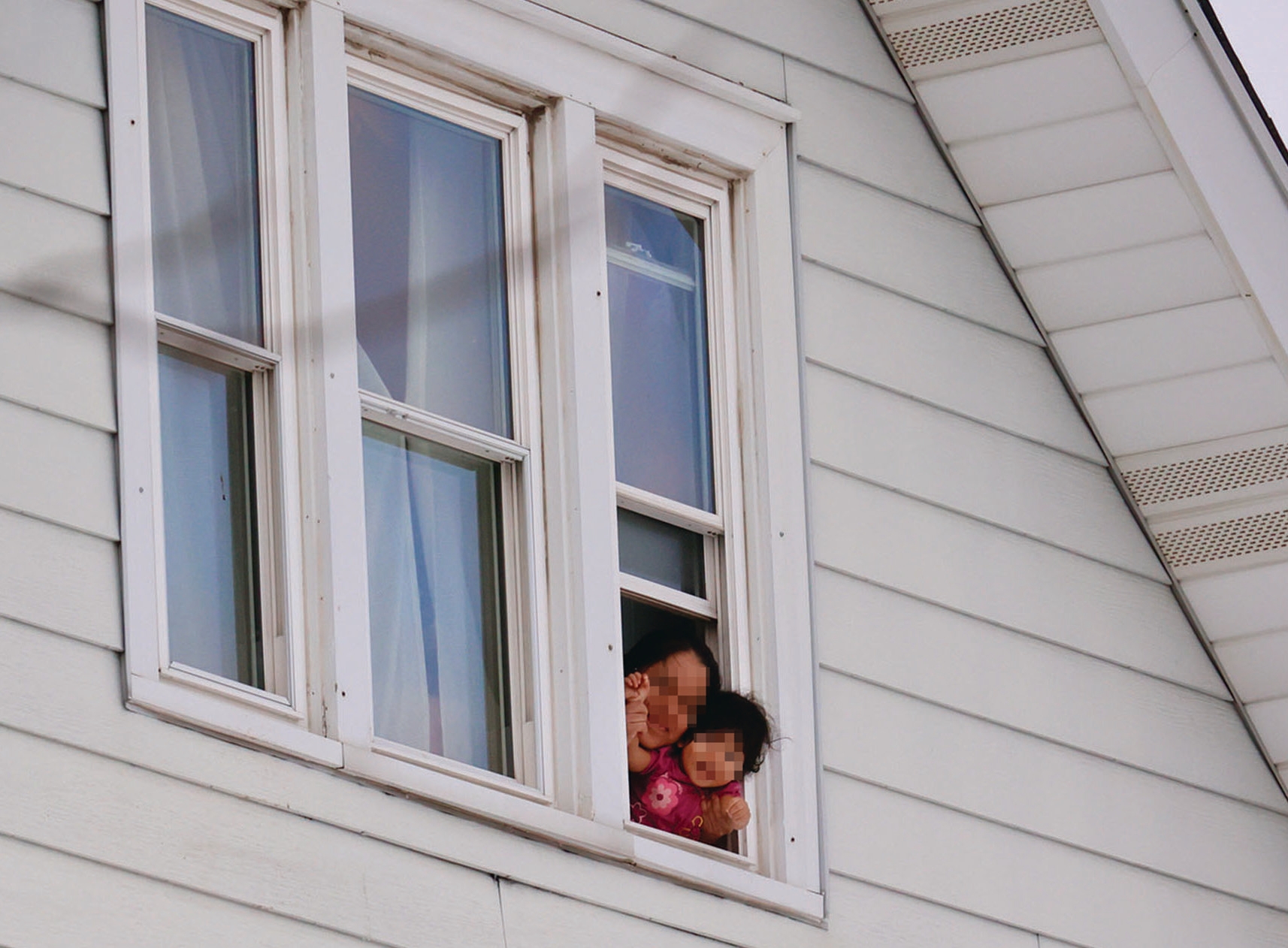
One woman who has lived in Minneapolis with her husband, both employed and tax-paying residents for more than 20 years, has been in hiding with her school-age children for months.
She shared, “I need to be stronger, but how do you just move on?” Still fearful, she has cautiously returned to work.
Before the surge, she worked six days a week and never needed to ask for assistance to pay her rent and care for her children. Now her employer can only give her three days of work because the business is struggling to stay open, in large part due to the ICE surge. Her limited hours mean that she will not be able to afford her $1,800 April rent, utilities and food for her family.
She does not want to ask for help, but she has little choice. Asking for and receiving help from strangers has been lifesaving but shattering for her sense of confidence, independence and pride. It is an invisible but damaging impact of the surge that will have long-term repercussions.
“I have seen heroism in unlikely places and from ordinary folks using every possible skill set at their disposal.”
An amazing network of community members across the Twin Cities has filled the void for vulnerable neighbors too afraid to go to work, get their kids to school, shop for groceries or attend critical medical appointments.
These strangers have raised hundreds of thousands of dollars to help with rent.
“My friends have comforted the terrified, adopted the needs of households, stepped up for missing parents, sourced rent for complete strangers and put their lives on hold.”
They shop for and deliver groceries to families they have never met. They drive children to school and help fill out legal custody forms in case parents are detained and their children are left behind. They wait outside restaurants that many of us frequent regularly to ensure vulnerable workers get home safely. They may never be publicly recognized because they fear retribution for their generosity and for the safety of the people they are supporting.
One engaged Kenwood neighbor shared, “I have seen heroism in unlikely places and from ordinary folks using every possible skill set at their disposal. My friends have comforted the terrified, adopted the needs of households, stepped up for missing parents, sourced rent for complete strangers and put their lives on hold. They have given generously.”
“Restaurants, markets and businesses need customers to return so they can employ those who have come out of hiding, only to find their jobs cut or significantly reduced.”
While the generous actions of so many of our neighbors have kept impacted people safe, fed and housed, it is not sustainable. Many neighbors who hid in their homes, used their savings and accepted the generosity of others will need time to work and earn enough to cover future rents and expenses.
Restaurants, markets and businesses need customers to return so they can employ those who have come out of hiding, only to find their jobs cut or significantly reduced.
ICE actions and threats have taken a toll on the individual and collective mental health of our city. Our work as a community in sup- port of those most vulnerable is not over.
Please support our community by frequenting restaurants and local businesses, and continue to contribute your time, talents and resources to help those most impacted by the ICE surge get back on their feet and heal.
It will take time, but we have proven that Minneapolis is strong and that we protect our most vulnerable neighbors.
Courtney Cushing Kiernat is the photo editor of the Hill & Lake Press. She lives in Kenwood.