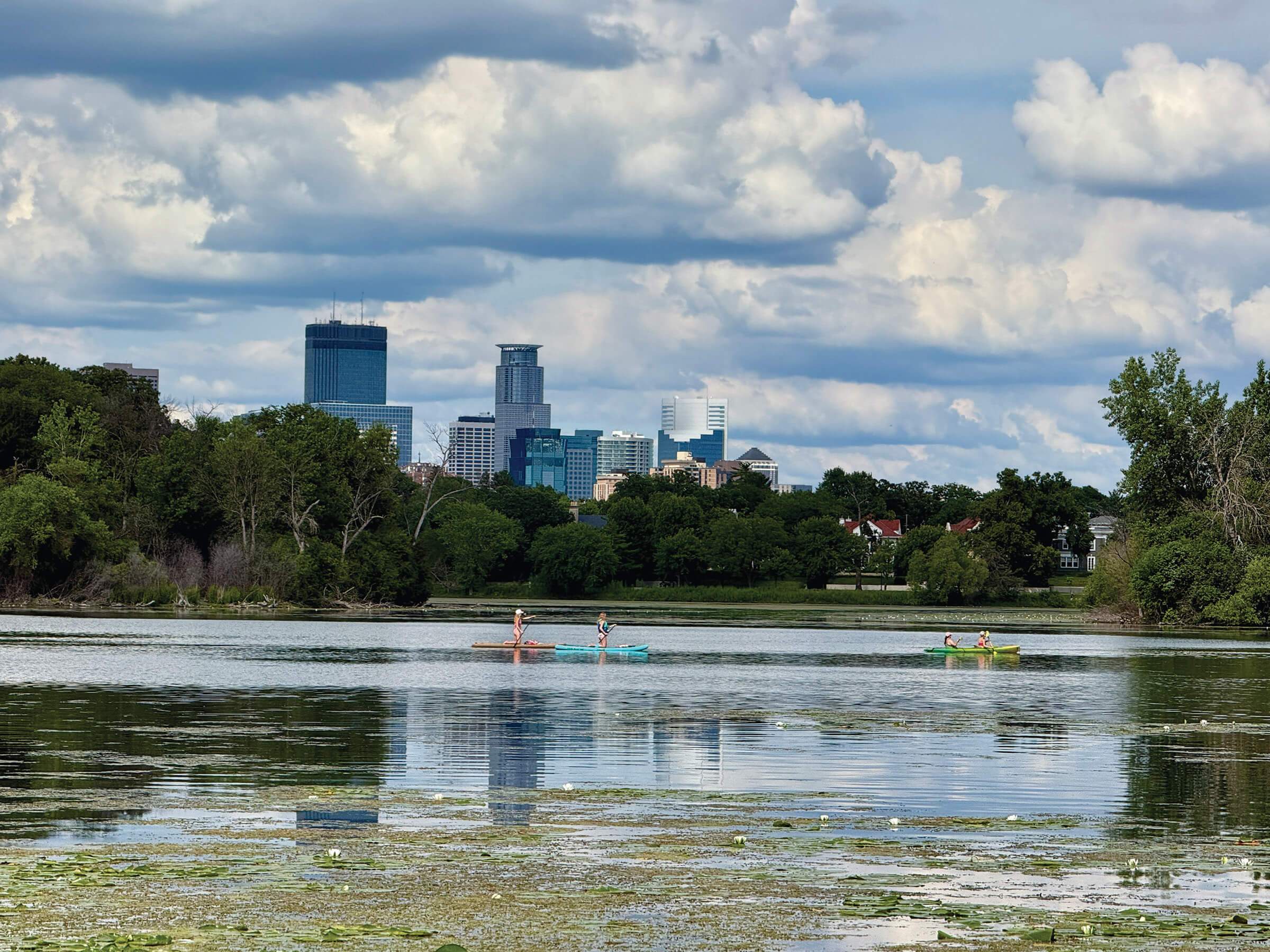

Often referred to as “State Parks of the Metro,” the Metropolitan Regional Parks System contains significant regional natural resources such as lakeshore, wetlands, hardwood forests, native prairies and groundwater recharging areas.
This unique nature-based parks system is intended to balance the conservation and restoration of natural resources while providing nature-based recreational opportunities. By itself, it cannot and was never intended to provide all the metropolitan area’s recreational opportunities but rather it is intended to complement those services and high-impact recreation amenities (ie: hard court surfaces, sports fields, etc.) found throughout city parks and recreation areas.
Additionally, the Regional Parks System plays a role in addressing climate change in the region. Conserving, maintaining, and enhancing the Regional Parks System through proactive planning and asset management can increase the resilience of the region and reduce the impacts associated with climate change. Viewed through a natural resource lens, the Regional Parks System provides carbon sequestration and other benefits including stormwater management, urban heat island mitigation, biodiversity enhancement and improvements to air and water quality.
In recent years we have witnessed a concerning trend away from the nature-based quality of this parks system in the form of increased development for types of recreation historically not found in the regional parks system, while natural resources are degrading. If this trend continues, these highest quality natural areas remaining in the metro region will be diminished while costs for annual operations and maintenance will continue to increase.
Brief History and Management Structure
In 1974, the Minnesota Legislature established the Metropolitan Regional Parks System. At that time, the Legislature found that: “The pressure of urbanization and development threatens the most valuable remaining large recreational open spaces in the metropolitan area at the same time as the need for such areas is increased. Immediate action is therefore necessary to provide funds to acquire, preserve, protect, and develop regional recreational open space for public use.” (MN Stat., section 473.302)
The organizational structure of the Regional Parks System is unique in that there is no single entity “in charge” of the Regional Parks System. Rather it is managed in partnership among ten regional park implementing agencies and the Metropolitan Council. The Minneapolis Park and Recreation Board is one of those ten agencies.
In Minneapolis, it is important to distinguish Minneapolis’ regional parks from its network of 160 neighborhood parks.
Regional parks, like Above the Falls, Minneapolis Chain of Lakes, Minnehaha and Theodore Wirth serve many people from outside Minneapolis. Because they serve a regional audience, they are eligible for funds from the state (including monies from the Legacy Amendment) and the Metropolitan Council. By comparison neighborhood parks are smaller, primarily funded by local tax dollars and predominantly serve nearby residents. Among those parks are dozens of triangles and other tiny parks.
Basketball courts, skate parks, and other hard surface recreation amenities have historically been provided in neighborhood parks to serve nearby residents. If these types of recreation amenities are duplicated in regional parks, we lose the nature-based opportunities that attract the regional audience.
That then raises consideration over funding. Regional and state dollars intended for this nature-based system are now being invested in various ways that expand the development footprint within these critical natural settings. Larger and more buildings, expanded parking lots, duplicate recreation amenities traditionally found in neighborhood parks and recreation areas – removal of trees, degrading water quality, diminished opportunities for nature based recreation and high quality wildlife habitat. This is indeed a concerning trend. To help reverse this trend, The Legacy of Nature Alliance (LONA) was established in 2021 to bring together organizations and individuals from across the metro region with a uniting mission “to ensure ecosystems are restored and preserved within the metropolitan regional parks system and throughout the entire region to provide high-quality habitat for wildlife, and year-round Nature-based opportunities to inspire the next generation of environmental stewards”.