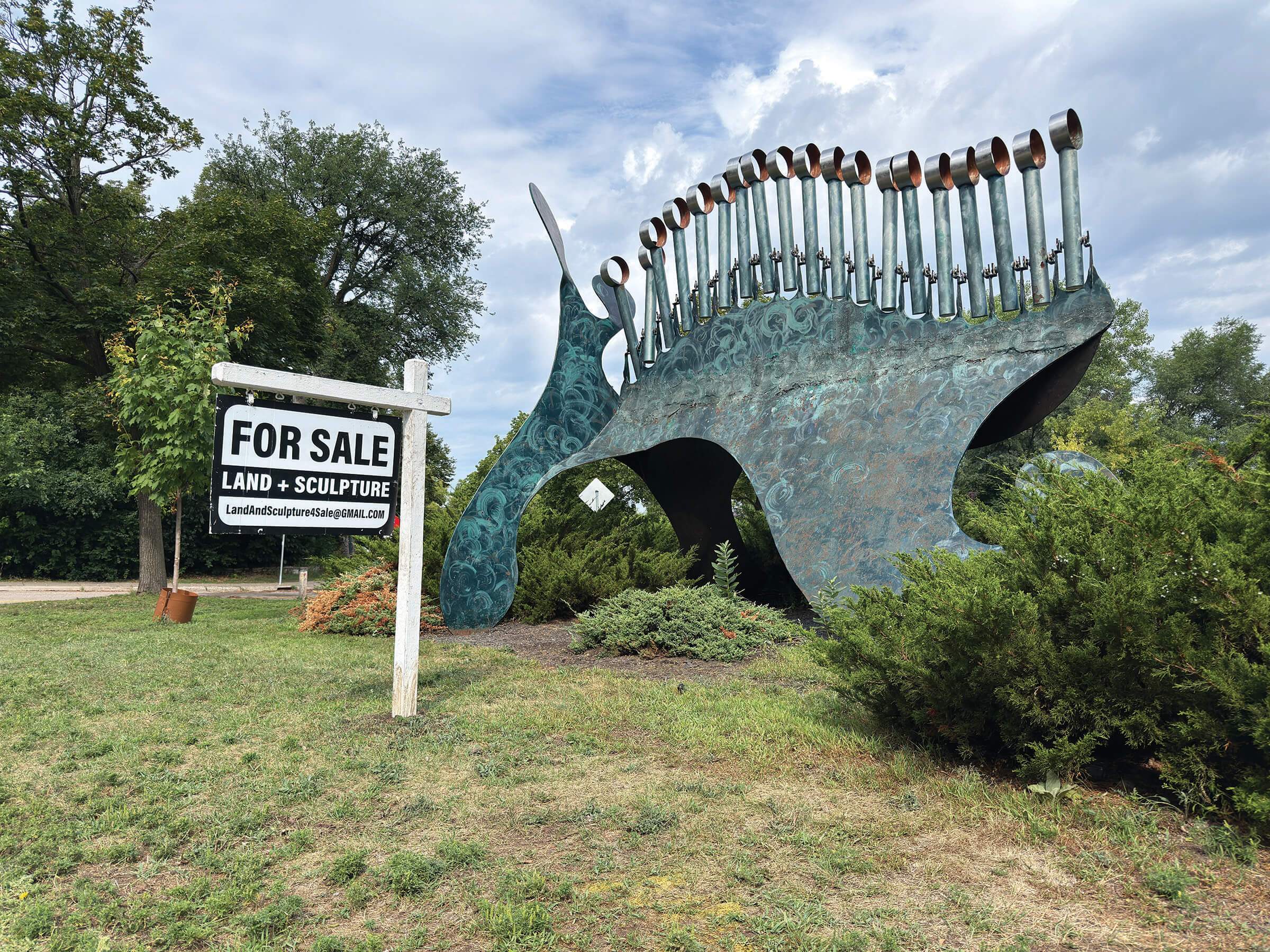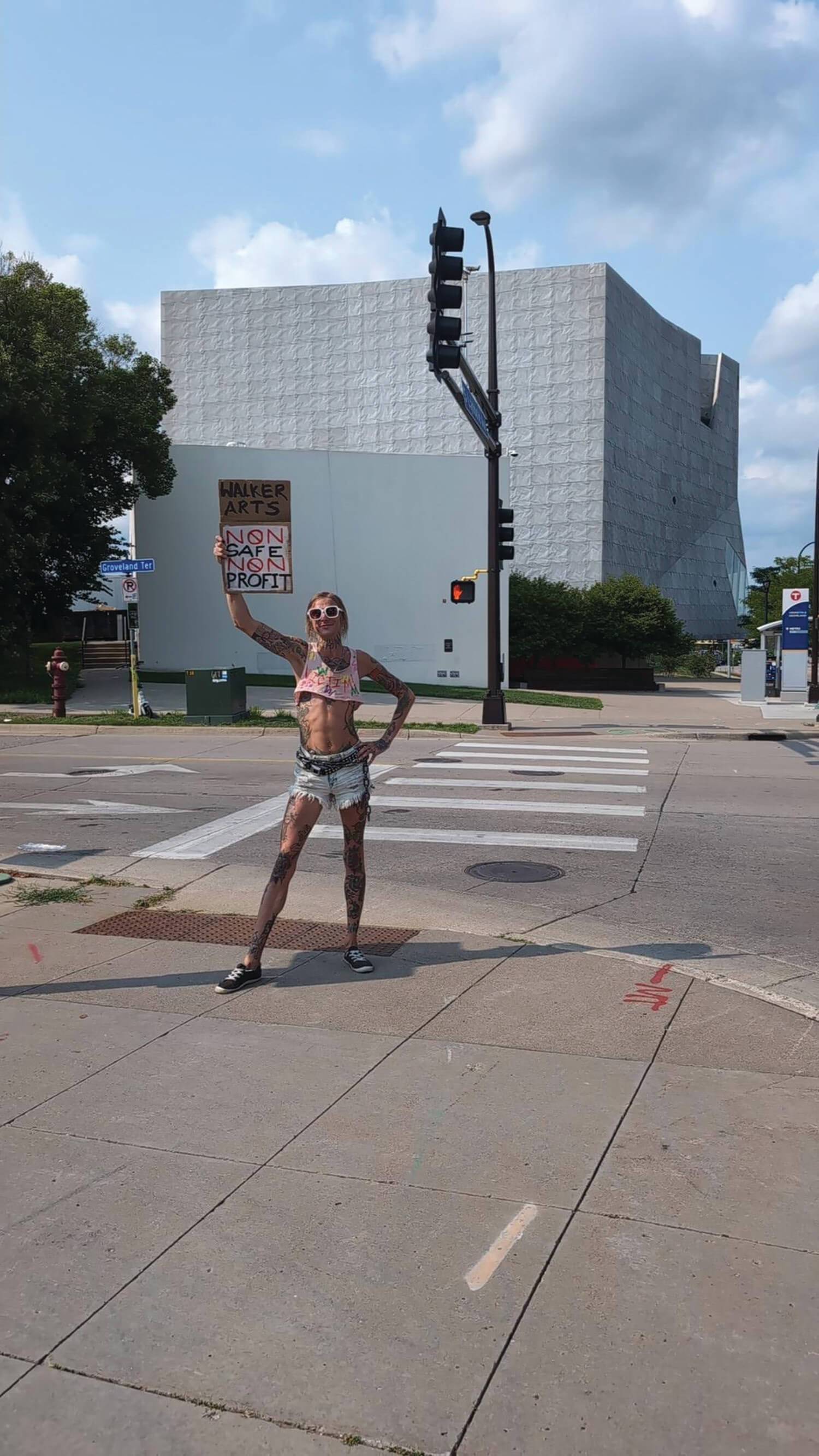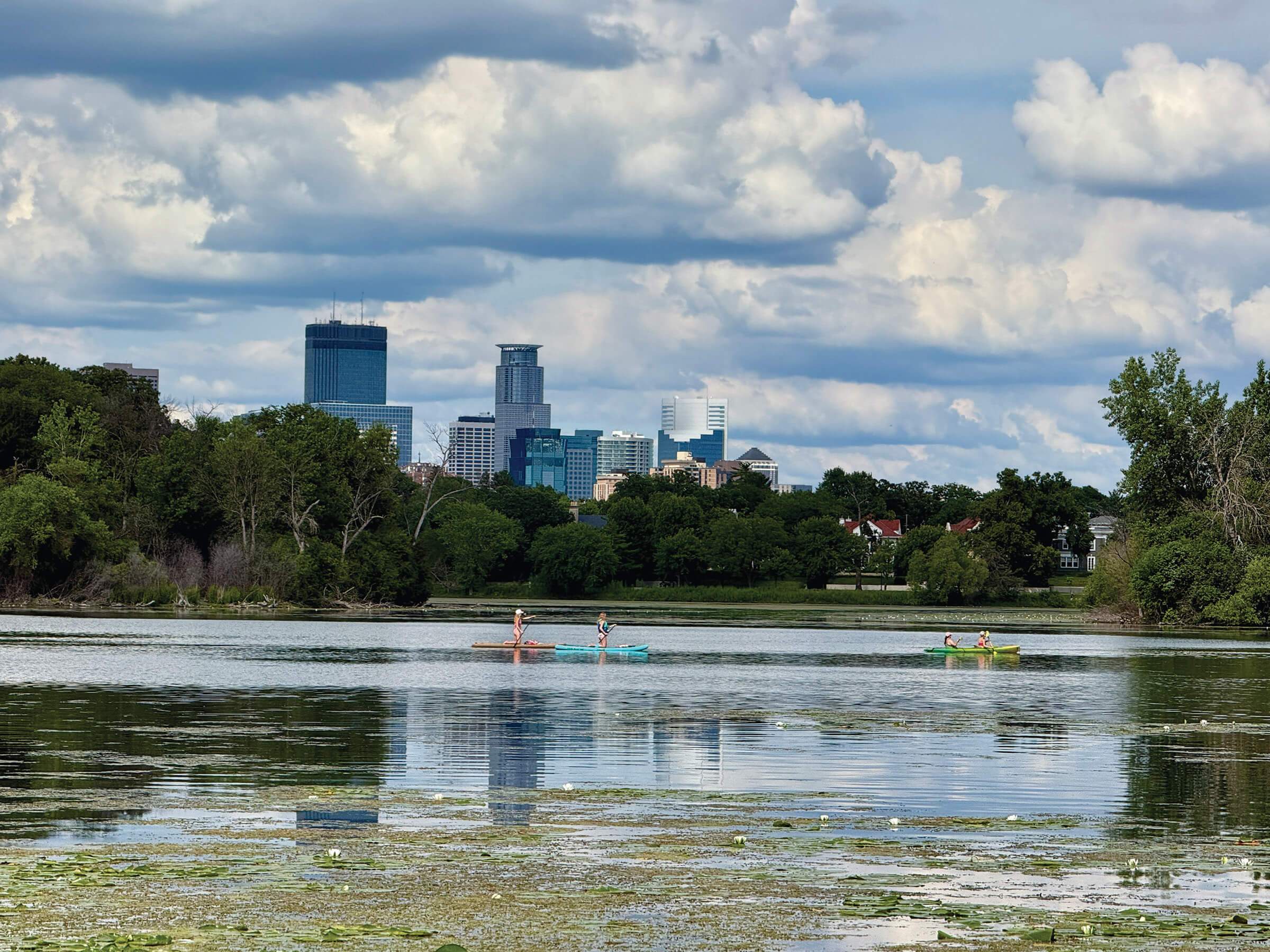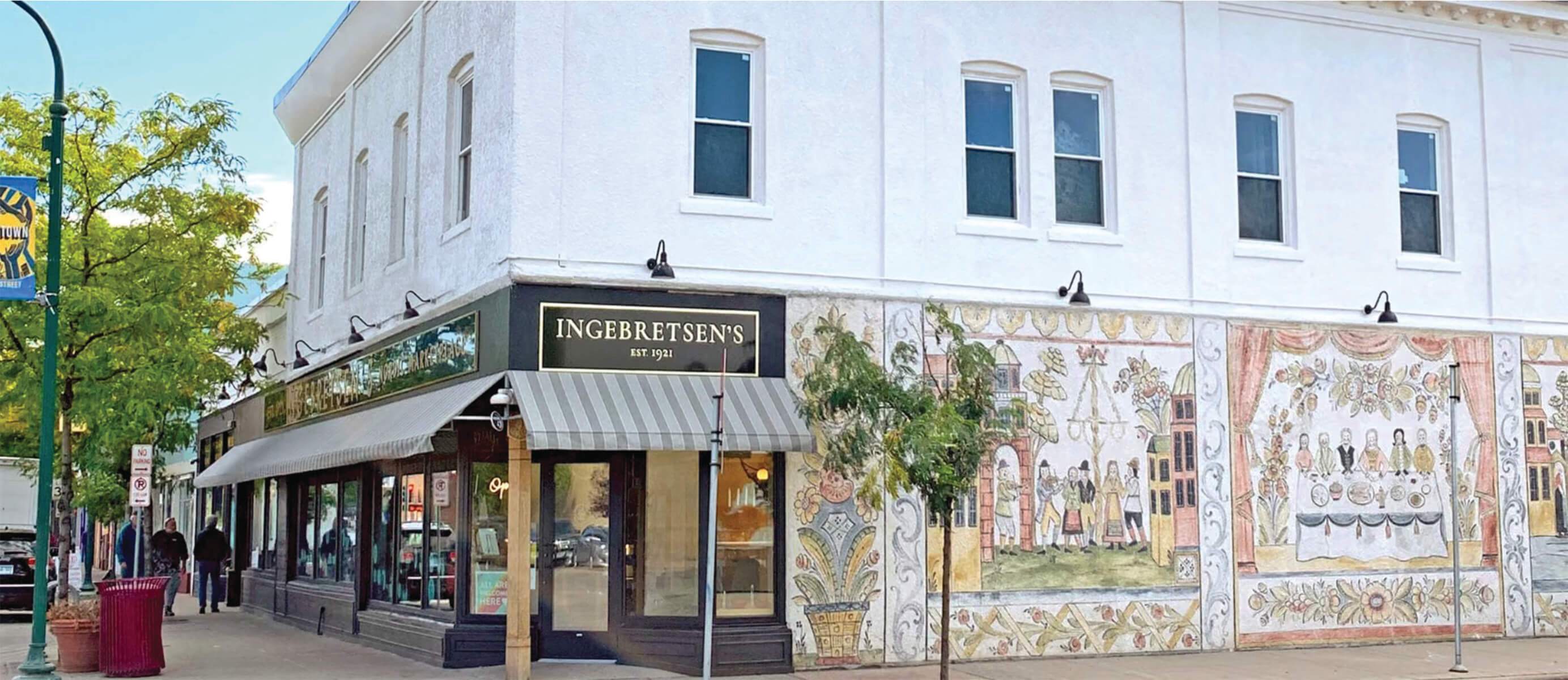

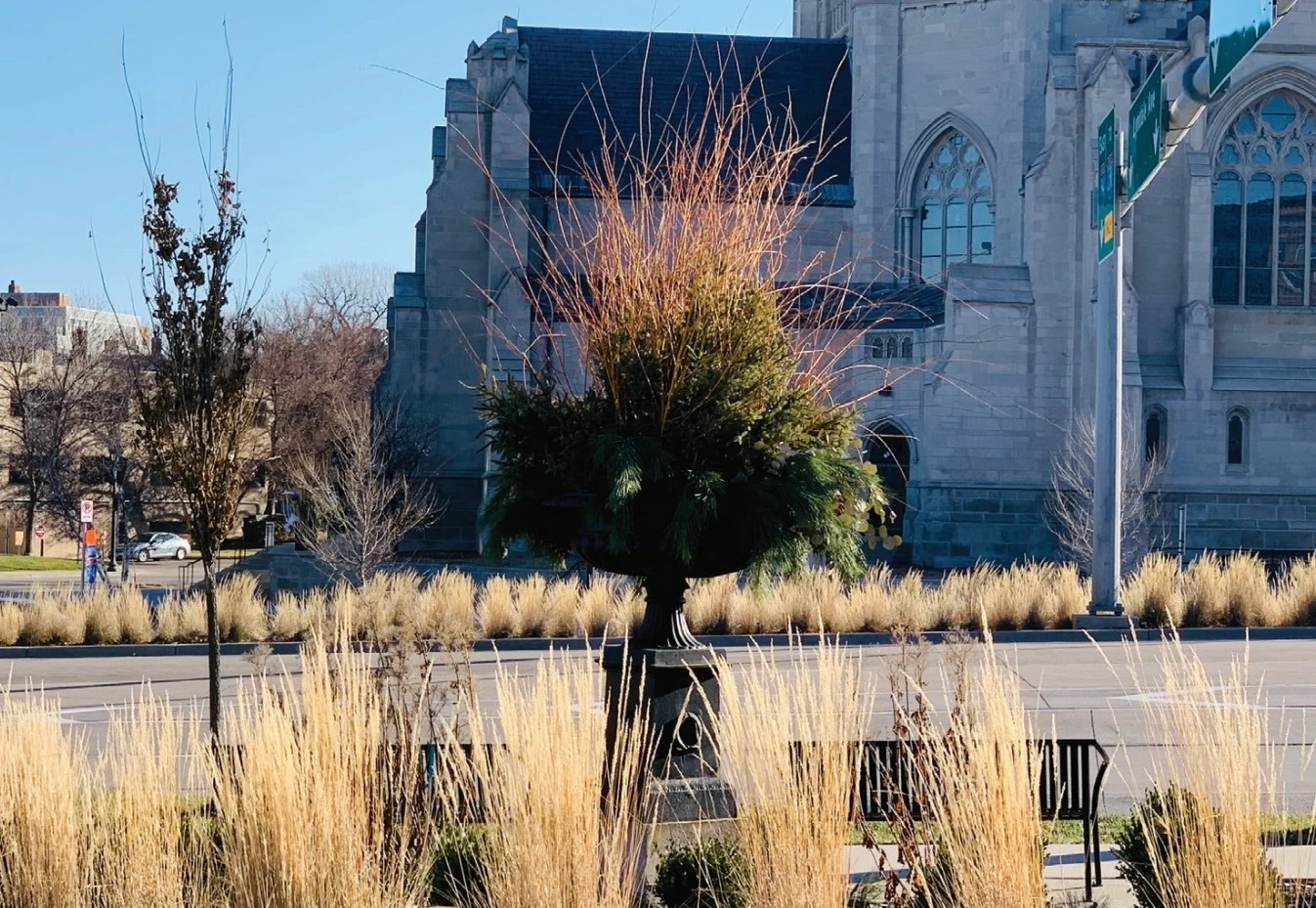
In 2015, when much of Hennepin-Lyndale Crossroads was to be reconstructed, the Lowry Hill Neighborhood Association (LHNA) and Citizens for a Loring Park Community (CLPC) joined together with corridor stakeholders to push for pedestrian, bicycle, vehicle flow and landscaping improvements.
Through the community advisory committee that was formed, significant improvements were made to the corridor.
Now the corridor is tree lined and teeming with decorative vegetation. But all that is threatened.
The Issue? Maintenance.
Over the last six years there has been an agreement between Green Minneapolis, a Minneapolis nonprofit, and area stakeholders, including institutions such as the Walker Art Center, Dunwoody Institute, nearby churches, as well as the Lowry Hill and Loring Park neighborhood organizations.
In their own words, “Green Minneapolis envisions a green future for our city with trees on every street and active public spaces. We are enriching quality of life, creating a healthier environment and connecting people through place.”
But Green Minneapolis is now refocusing their mission and has given notice that in 2024 they will terminate their contract with the city to maintain the corridor.
This is a significant blow to the coalition.
Tens of thousands of square feet of land have been cared for, not by the city or state, but by area institutions and residents via payments to Green Minneapolis. This care includes regular weeding, picking up trash, mowing lawns and tending to gardens at the north and south ends of the corridor, all of which has been provided by contributions from stakeholders and the two neighborhood organizations.
The role of receiving financial contributions and contracting out the work was provided by Green Minneapolis. However, this organization, which began with a focus on public space management, is now focusing its mission on support and advocacy of an expanded and better cared-for tree canopy in Minneapolis and across the Twin Cities. This means that they will no longer be able to perform their role at Hennepin-Lyndale.
The current arrangement is obviously inadequate and unsustainable.
The largely nonprofit group of institutions that surround the corridor are not flush with cash. Neighborhood organizations, with significantly reduced support from the City of Minneapolis, will have far fewer resources to commit to the project.
It is time for government take responsibility for maintenance.
The State of Minnesota and the City of Minneapolis need to recognize and support Hennepin-Lyndale as the cultural and civic corridor that it is by maintaining it, which they have largely dismissed up until now.
Members of the Lowry Hill and Loring Park neighborhoods — and beyond — must seize the opportunity to marshal city, state, nonprofit institutions and other private entities to provide the maintenance the corridor so greatly deserves.
I hope to report back in the coming months on our progress.