
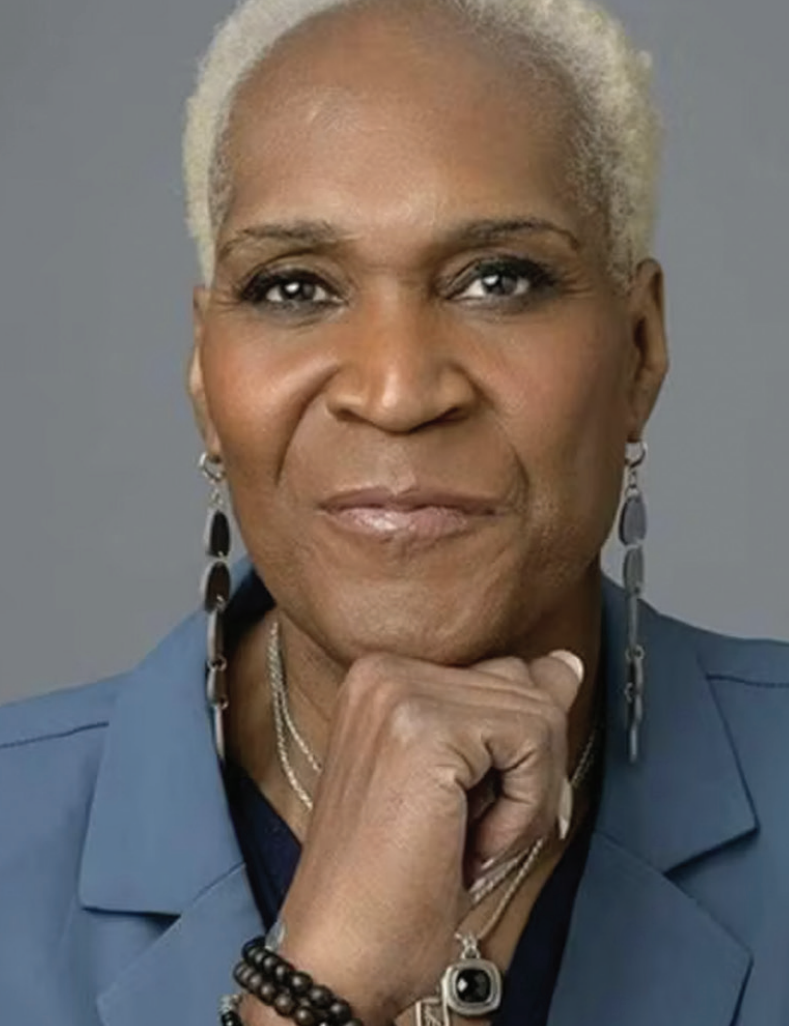
Andrea Jenkins hardly needs an introduction. She was the first openly Black transgender woman elected to public office in the United States and served on the Minneapolis City Council from 2018 to 2026, including terms as vice president and president.
She is also an author, activist, poet, founder of the Minneapolis Poet Laureate Program, educator, mother, and grandmother.
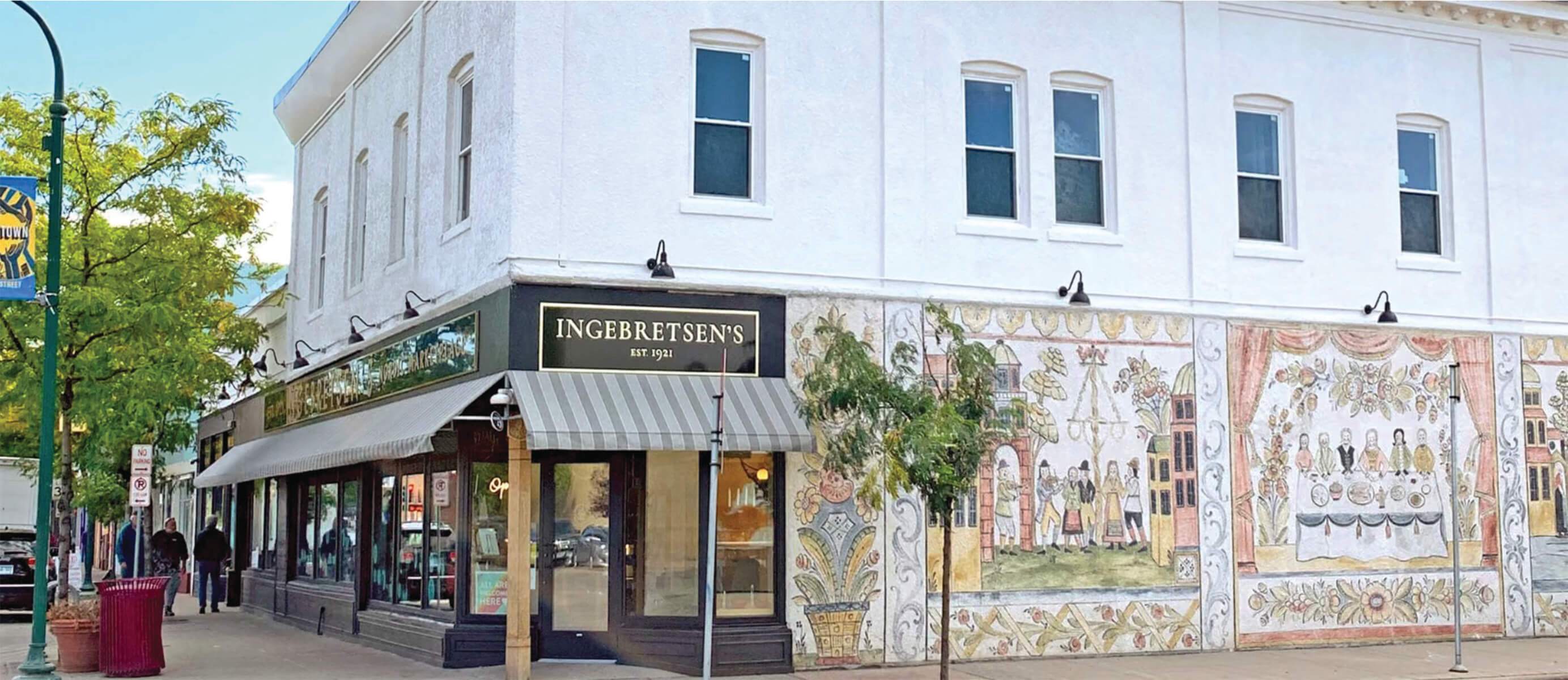
Jenkins was interviewed at Latunji’s Palate, a Black woman-owned social enterprise bakery at 1400 Portland Ave. S. in Minneapolis. A portrait of Harriet Tubman hangs near the counter and becomes relevant as the conversation unfolds.
You grew up in Chicago. Tell us about that.
I grew up in Chicago, in the Lawndale neighborhood on the West Side.
Chicago is a very segregated city, shaped by redlining and other discriminatory housing practices.
When I was about 13 or 14, my family moved to the South Side, and that’s where my coming-of-age years took place.
Was the South Side integrated or segregated in the 1960s and 1970s?
Black families had started moving into those communities in the early 1960s. My grandparents bought a house on the South Side in 1962.
What were your coming-of-age years like?
My siblings and I spent nearly every weekend with one set of grandparents or the other, mainly my mother’s parents. I had family, friends and a strong sense of community.
High school was a great experience. I attended Lindblom Technical High School, one of Chicago’s top public schools.
Many of my classmates became doctors, engineers, programmers and politicians. Nearly 95% of our graduating class went to college.
How did you end up in Minnesota?
I moved to Minneapolis to attend the University of Minnesota. I later graduated from Metropolitan State University.
Were you out in high school?
No. I was very much closeted. Bisexual is my sexual identity. Transgender is my gender identity. There is no transition from one to the other.
When did you first know you were transgender?
I think I knew when I was about 4 years old. I just didn’t have the language for it. The language around transgender identity didn’t really emerge until later. I understood who I was, but I did not outwardly express my gender identity growing up.
How did your parents react when you came out?
I was raised by a single mother. When I came out as bisexual in college, I wasn’t disowned or banished from the family, but it wasn’t discussed much. My family has been supportive overall. I didn’t come out as transgender until I was around 30.
It was challenging at first because I was trying to conform for reasons of safety, acceptance, and opportunity.
Being transgender is not a choice. If I had a choice, I would probably live a straight life because it’s much easier in society.
Why do politicians pick on trans people?
Because dictators need a foil. They need an “other” to denigrate and blame.
Transgender people are easy targets because many people don’t understand transgender identity. But transgender people have existed throughout human history.
Can you tell us about your family?
I have three beautiful grandchildren.
My oldest granddaughter attends Southern University in Louisiana.
Another granddaughter was recently accepted to DeLaSalle High School.
My grandson is bright, energetic, and sweet. They love me, and I love them.
Are you optimistic or pessimistic about the future?
To run for office and win, you have to be optimistic.
I’m generally an optimistic person, but I am deeply concerned about the current state of our society and what I see as an assault on democracy.
What gives you hope is Harriet Tubman.
Black people would not be owning businesses or serving in public office without hope.
Those enslaved ancestors, the only thing they had was hope. That’s what has moved African Americans forward.
What are you most proud of?
My daughter and my three grandchildren. Nothing compares to that.
I’m also proud of my public service and policies that ad vanced equity and inclusion, including the 2040 comprehensive plan, the $15 minimum wage, banning conversion therapy and protecting access to gender-affirming and reproductive health care.
Do you have any regrets?
Regret is a strong word. But I do wish I had come out sooner, and I wish I had sometimes been even more vocal in doing what I believed was right.
Are you comfortable discussing your health?
I live with multiple sclerosis, which was diagnosed in 2017. It has affected my mobility.
MS is an autoimmune disease. Environmental stress and inequities can compound health challenges in many communities.
What’s next for you?
I have an MFA in creative writing from Hamline University. I’m working on a memoir about my eight years in office during some of the most tumultuous years in Minneapolis history, including the pandemic and the aftermath of George Floyd’s murder.
Anything else you’d like to add?
Writing, consulting, teaching and public speaking are all important to me. I want to remain engaged and useful in my community.
David Piper is a retired judge and regular contributor. He lives in Kenwood.