
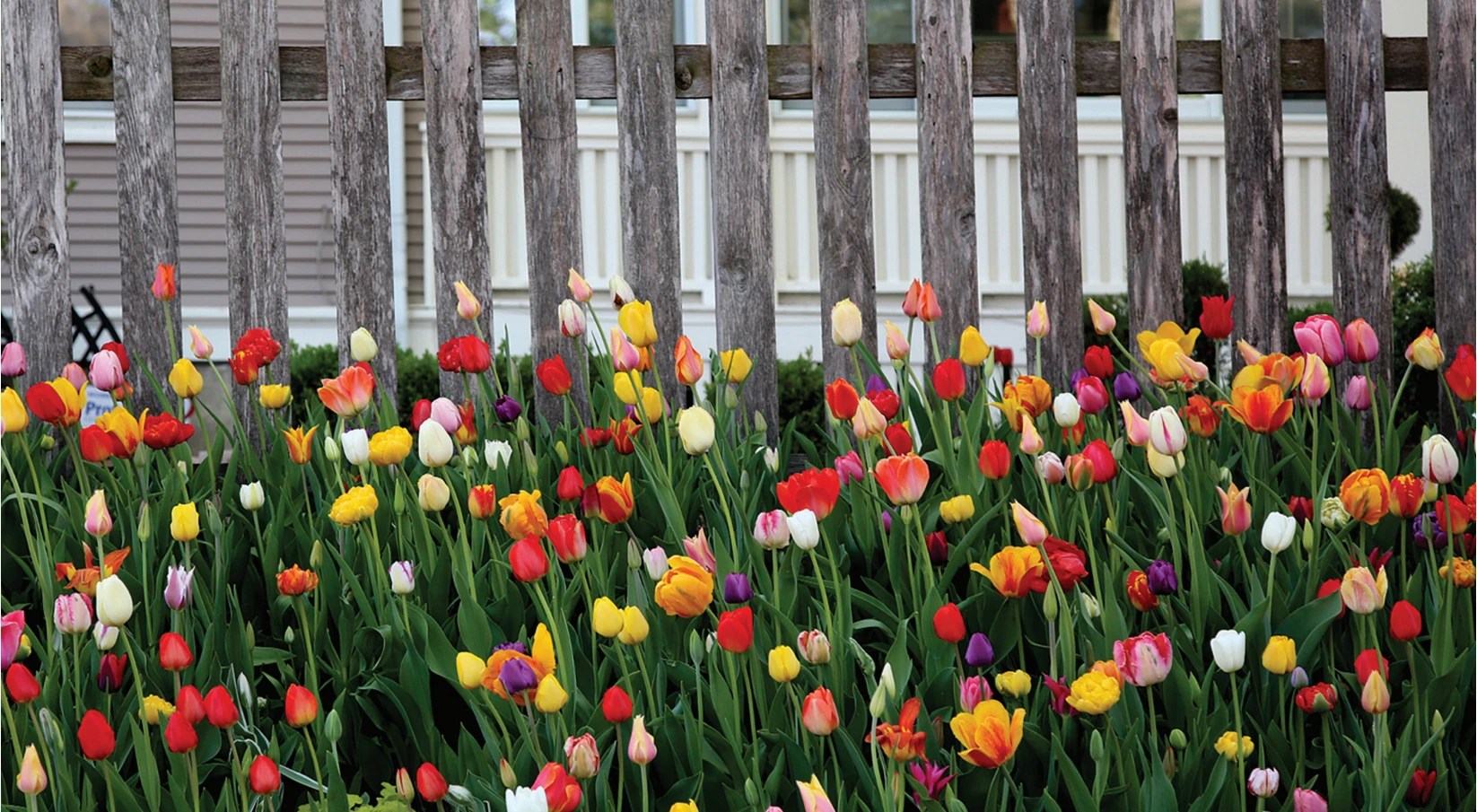
Suddenly we have warm May days, so warm we might regret having wished for them, even after history’s coldest April just behind us. But the trees are happy, fuzzed with green as blooming Scylla covers some yards with cobalt blue, attracting early pollinators before the boulevard maples and backyard oaks steal the sun for their own labors, and ours.
Lake of the Isles once again teems with weekend walkers, bikers and hammockers, Kenwood park’s tennis courts are jammed with high school teams at practice, the nudist yoga is back with her posse of merry pranksters at Cedar main beach, and orioles are visiting with color and song at Cedar Lake’s East Beach. Meanwhile, our smallest and most consequential neighbors, the insects, are emerging in droves from seasonal slumber to buzz and pollinate, a regular clamjamfry of neighbors!
“Clamjamfry” is my happy new word of the season. I learned it in Scott King’s natural history of Minnesota, Following the Earth Around: Journal of a Naturalist’s Year, in his entry for May 3: “Everywhere one
looks leaves unfurl, flowers blossom—it’s a free-for-all. Joining and following, sipping and nibbling, a clamjamfry of insects as if summoned to the plants by the plants themselves.” That day Scott recorded 16 species of insects during his stroll around Red Wing natural areas, including the “Confusing Furrow Bee” (Halicitus confusus), and the “Neighborly Mining Bee” (Andrena vicina). Neighbors indeed.
Scott, my publisher, mentor and friend, died of sudden cardiac arrest at age 56 at his home in Northfield April 2 just over a year ago. Meeting Scott was like meeting five different people, poet-memoirist Freya Manfred said—poet, translator of modern Greek, publisher, master book designer, sublime naturalist—our Thoreau. Among the monuments Scott left behind, in addition to published poems of his own and a hundred others, are three great works of entomology: The Wasps and Bees of Minnesota, Flower Flies of Minnesota, and his piece de resistance that melded all his talents, Following the Earth Around: Journal of a Naturalist’s Year. And he was a recognized expert on dragonflies.
In 2017 Scott submitted a citizen’s science report every day of the year, which he compiled into Following the Earth Around, published by Thistle words Press in 2019. Each daily entry is a revelation to all who live here and are not experienced observational naturalists. Scott visited grasslands, dead tree bark, pond muck and lake margins, backyards and porch lights, cataloging every living thing from tiny snails and dragonfly nymphs to giant Cecropia moths, birds, trees and mammals, detailing when and where the species were discovered, compiling a list at the end of each day. Who knew there are tiny snow midges flying over winter streams, yet January 14 Scott saw them!
Scott once remarked that he switched careers from science to poetry to “save his soul,” but he never stopped scientifically and poetically documenting the clamjamfry of nature’s abundance, what we might call nature’s “soul.” “The goal,” Scott recorded May 11, “is to keep observations intricate. While gathering data, why not work to include indications and connections and complications? Our loyalties must remain with the senses and the living encounter.”
Following the Earth Around is available on Amazon and will not go out of date in your lifetimes. Order it as a companion for yourself, your family, your friends. Read it daily as I do, and you too will be astonished by the breathtaking abundance of our overlooked, productive, occasionally annoying neighbors, plus the wisdom of Scott and quotations of his many poet and naturalist friends. Then you just might turn off the leaf blowers until these neighbors emerge to do their essential work.